Richard Tang

Manufacturing Engineering Student

About

I'm a Manufacturing Engineering student at UBC. My background is a little different because I started as a technician, not a designer.

Working on an assembly line taught me that a CAD model is useless if you can't actually build it. That experience changed how I approach engineering. Whether I'm managing supply chains at MDA Space or fabricating rocket parts, I focus on the practical reality of how things get made.

Skills:

SolidWorks Siemens NX Fusion 360 ANSYS (FEA) CNC Machining 5S Methodology MRP Systems MATLAB Unity/C#
Work Experience

MDA Space

Manufacturing Engineering Student | Brampton, ON

May 2024 - Aug 2025

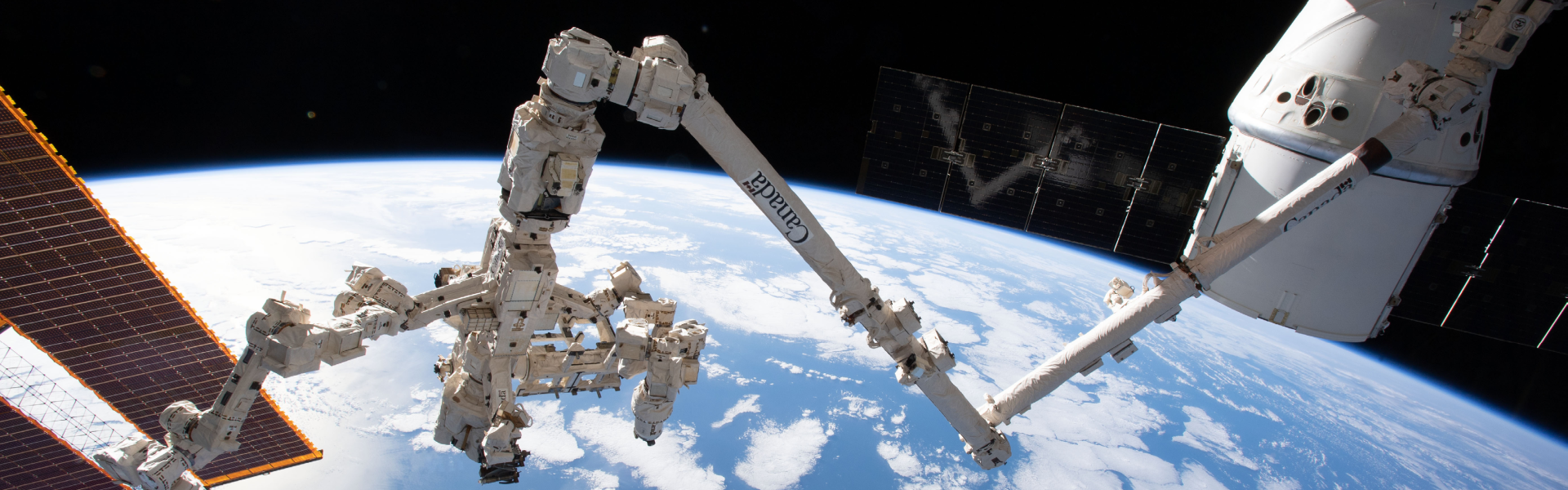
Canadarm2 and Dextre
1 / 4
Canadarm2 and Dextre
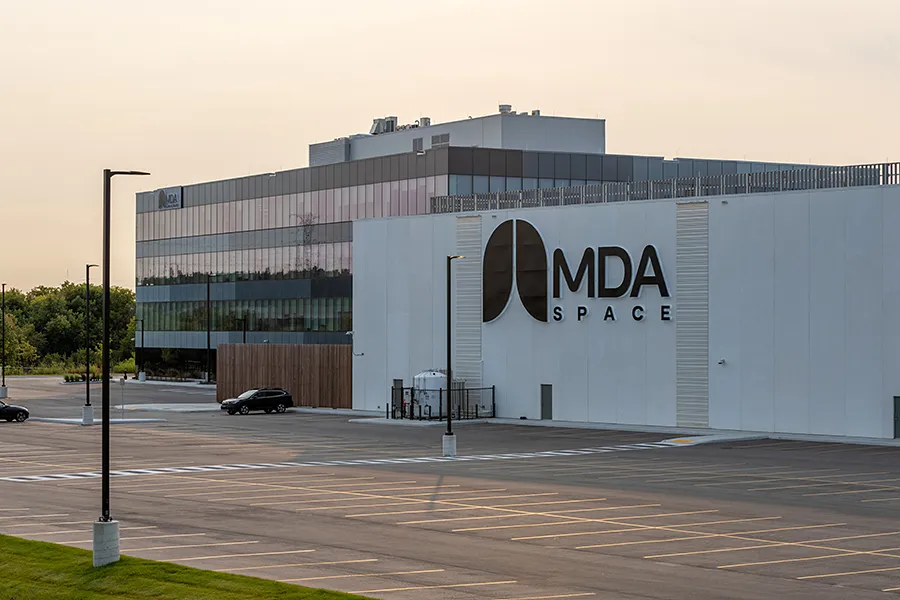
MDA Space Brampton
2 / 4
MDA Space Brampton
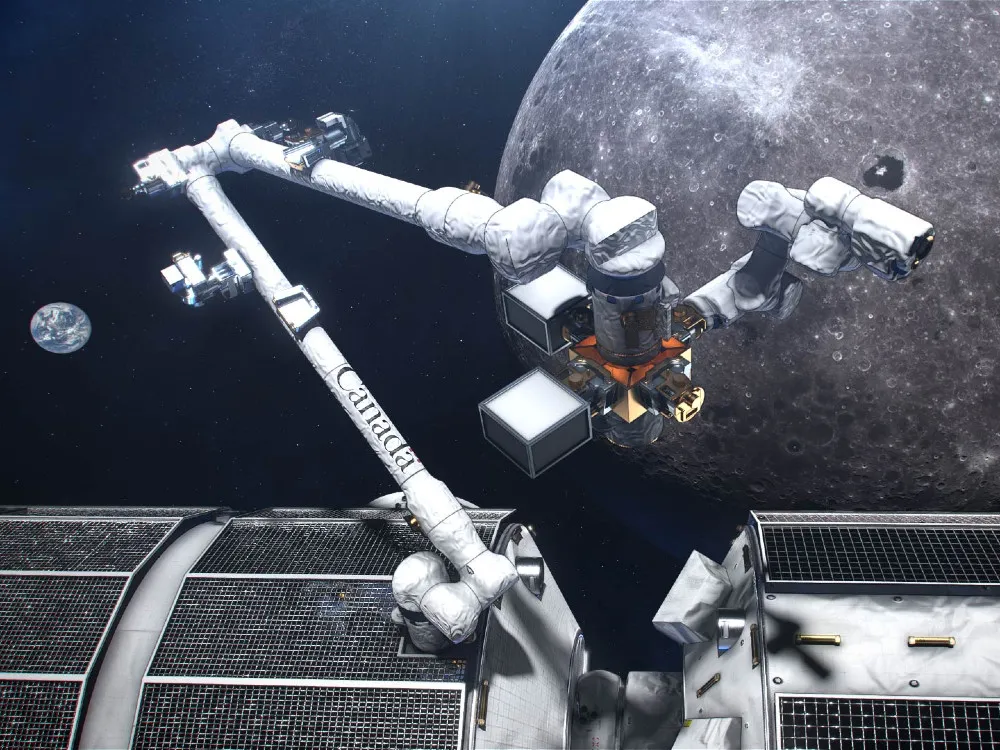
Canadarm3
3 / 4
Canadarm3
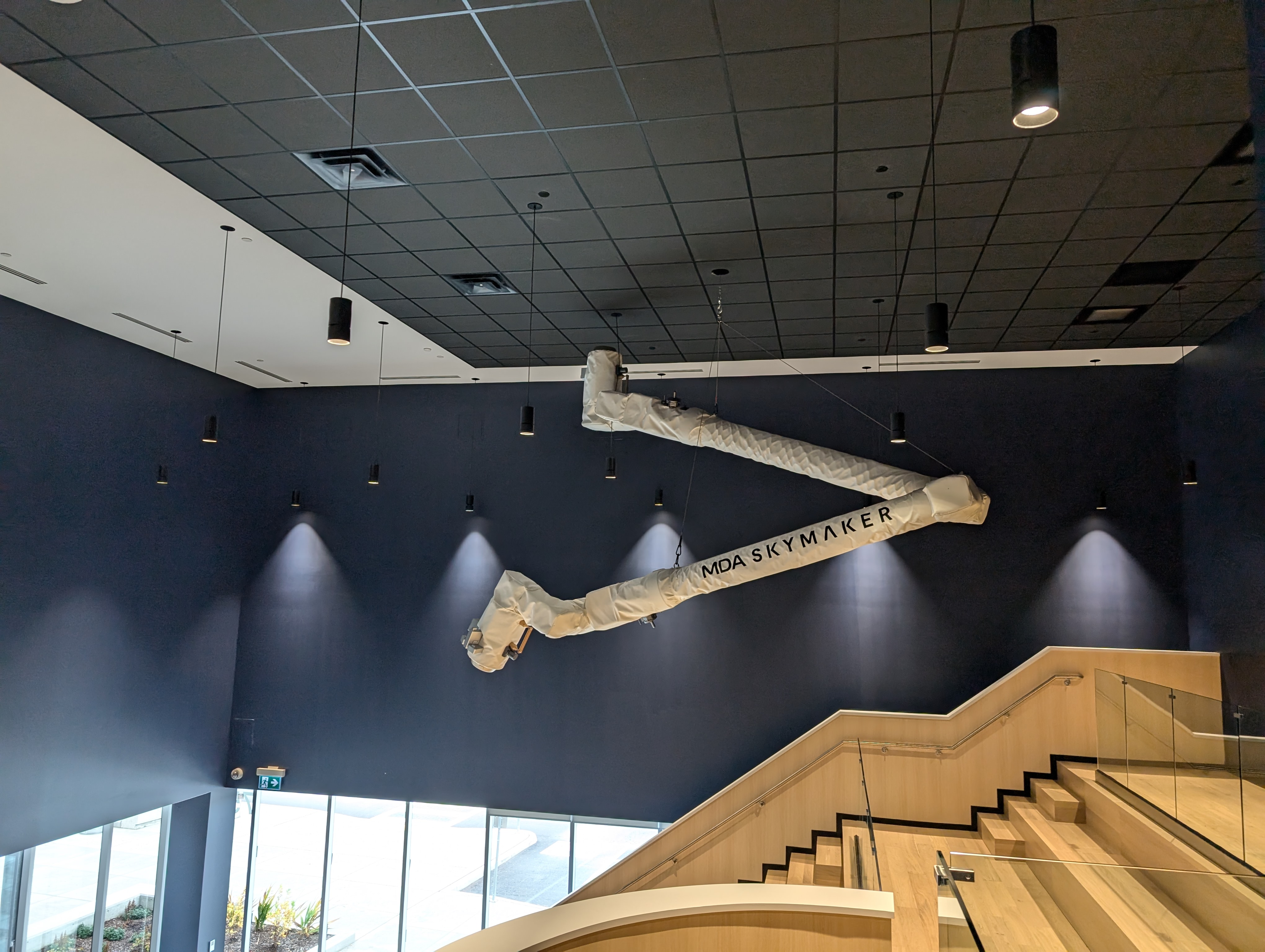
Skymaker Prototype
4 / 4
Skymaker Prototype

Process Improvement
$450K Savings
Annualized via CI initiatives
System Development
Status Tool
Internal Procurement Tracker
What I actually did

At MDA Space, I realized that good engineering design doesn't matter if you can't get the parts on time. A huge chunk of my work was just untangling the procurement cycle. The team didn't have enough visibility on material status, so I built an internal tracking tool to fix that. It pulled data from multiple ERP systems and gave engineers a real-time view of where their parts were in the supply chain.

I also spent a lot of time on the floor improving the machine shop and labs. We implemented 5S, created standardized work instructions, and optimized tool layouts. By standardizing the workspace and cutting out non-value-added steps, we saved the company about $450k annually. It taught me that the best improvements usually come from just listening to the people doing the work.

SAPA Technologies Ltd.

Technician | Vancouver, BC

June 2021 - Aug 2021

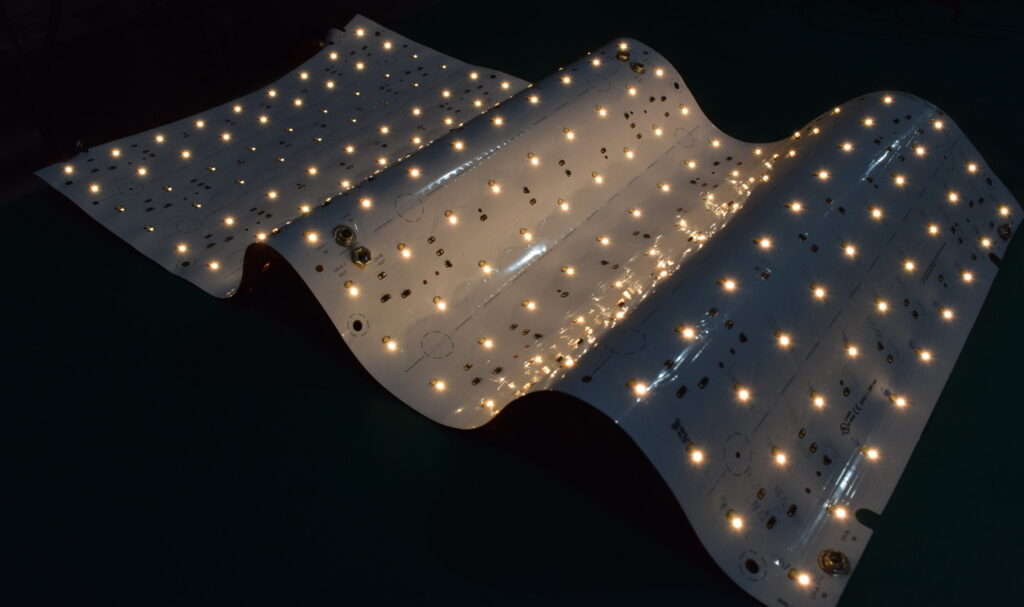
Flexible LED lightsheet
1 / 3
Flexible LED lightsheet
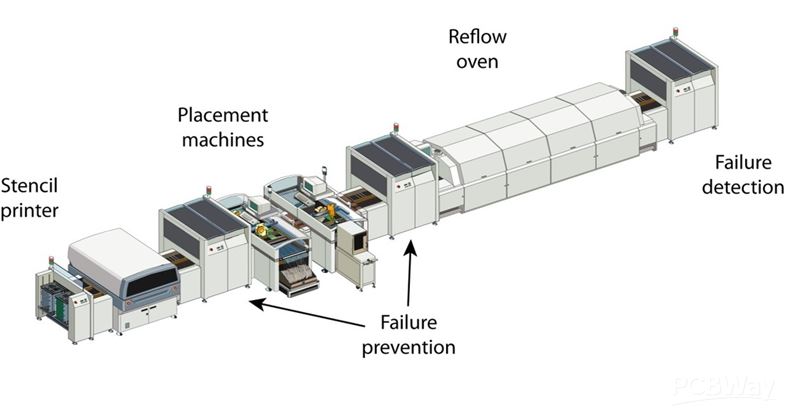
SMT PCB Assembly
2 / 3
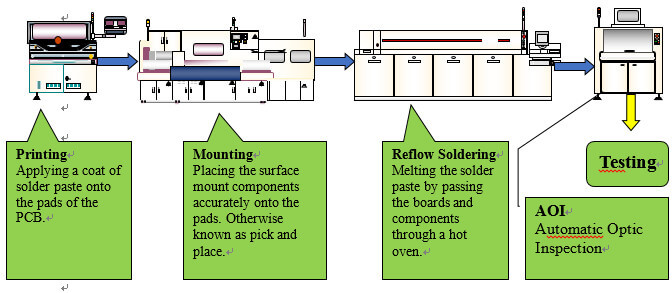
SMT PCB Assembly Process Line
Process Line
3 / 3
Process Line Descriptions

What I actually did

This was my first real look at mass production. It’s very different from school projects where you make one prototype and hope it works. Here, we were pushing out over 1,000 units a week.

I did a lot of the grunt work—QA testing using software and hand-soldering components onto PCBs. It was repetitive, but it forced me to be disciplined. It gave me a solid appreciation for how hard it is to maintain consistency in electronics manufacturing.

Projects

Engineering Design & Manufacturing

UBC Rocket

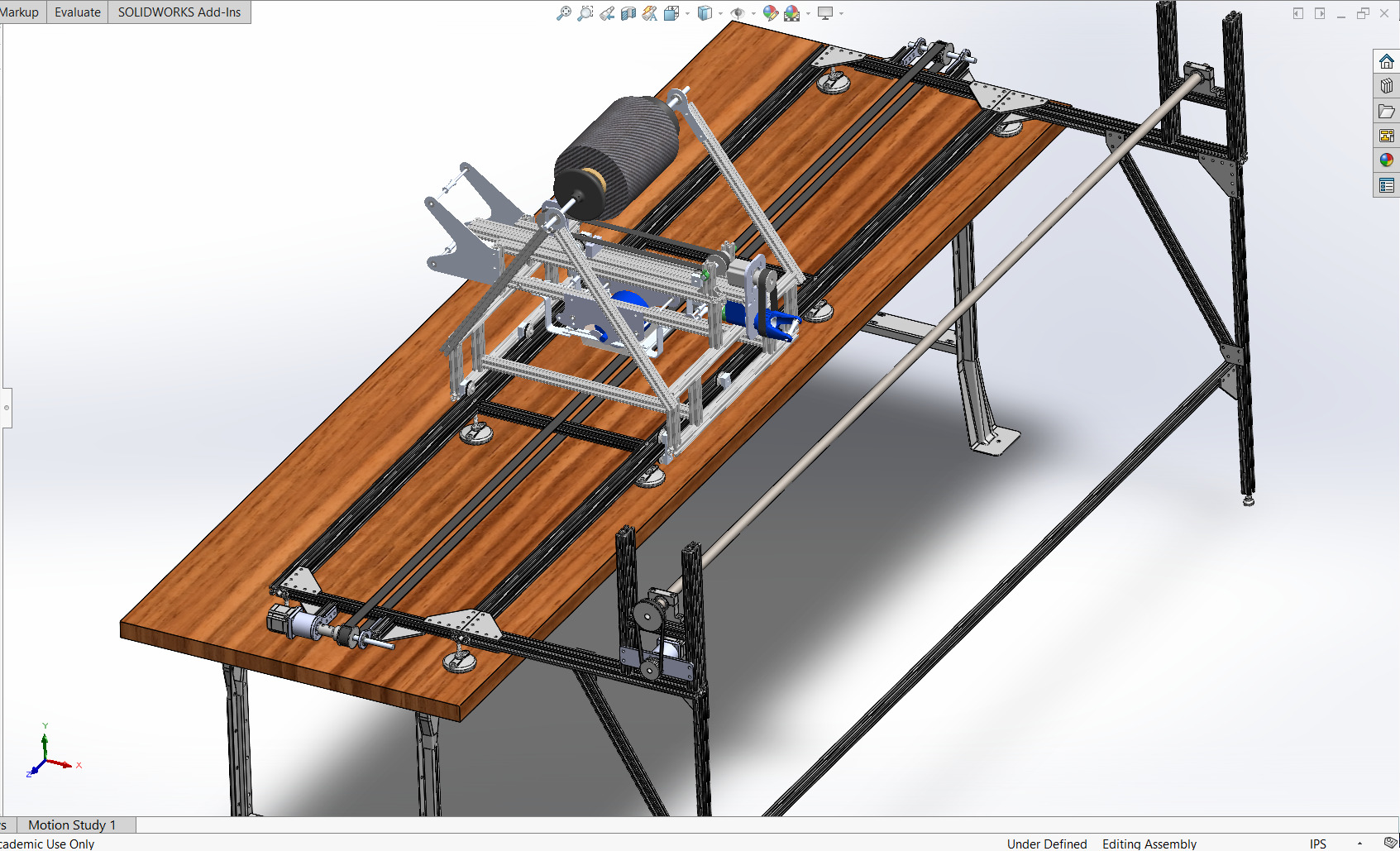
Composite Pressure Vessel | Filament Winder Design

1 / 7
Filament Winder CAD
2 / 7
3 / 7
4 / 7
5 / 7
6 / 7
7 / 7

Expand for details

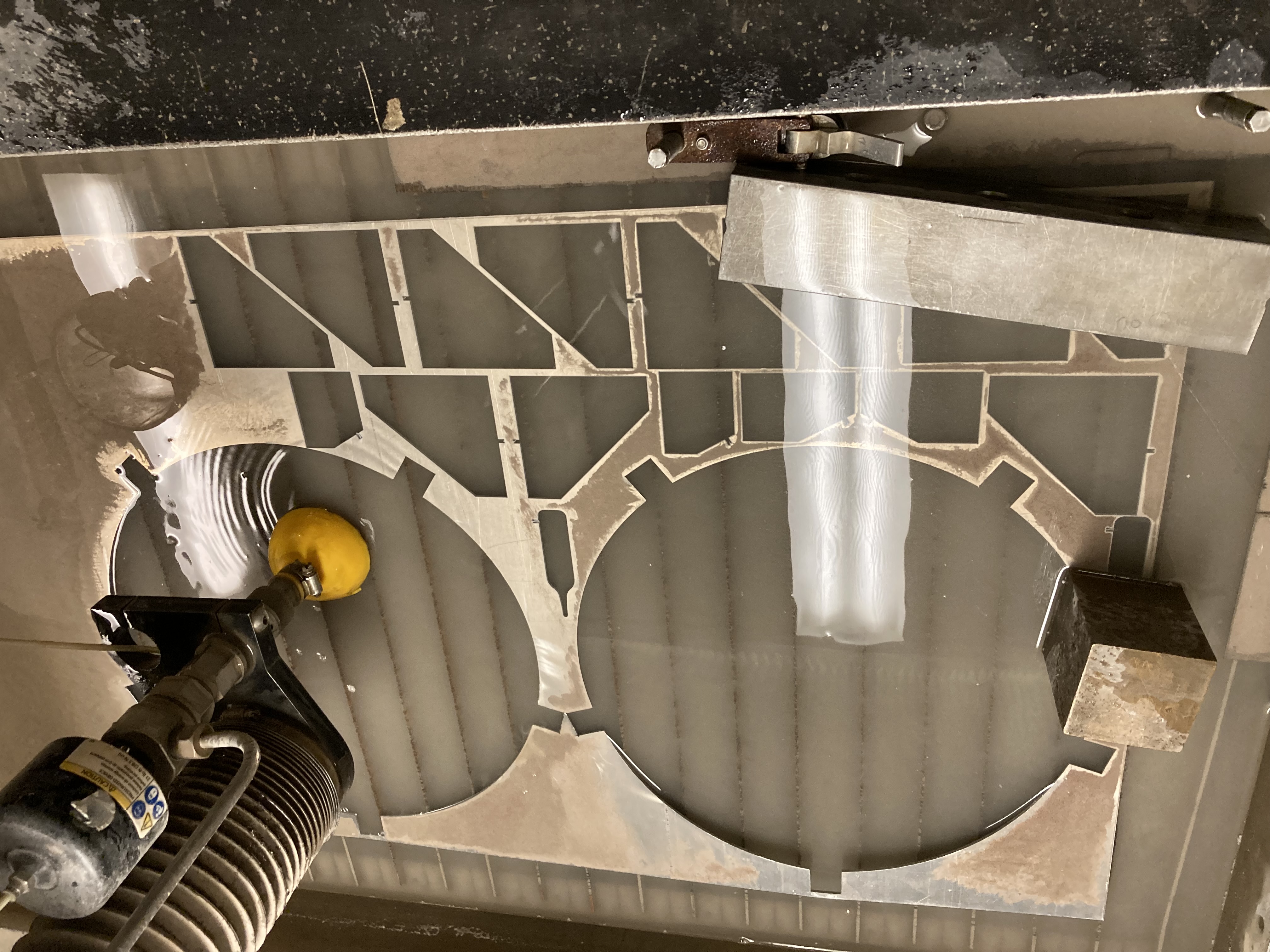
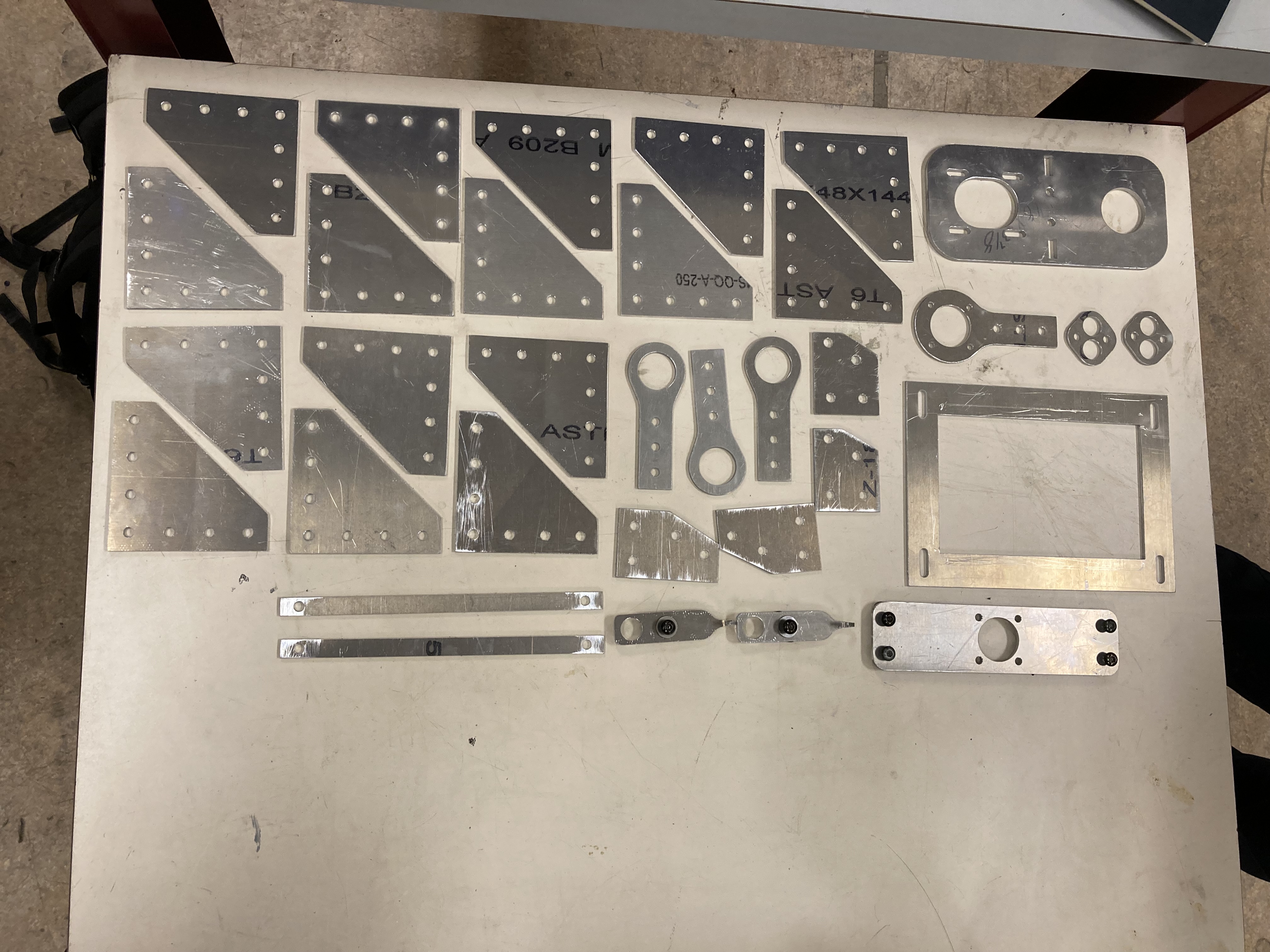
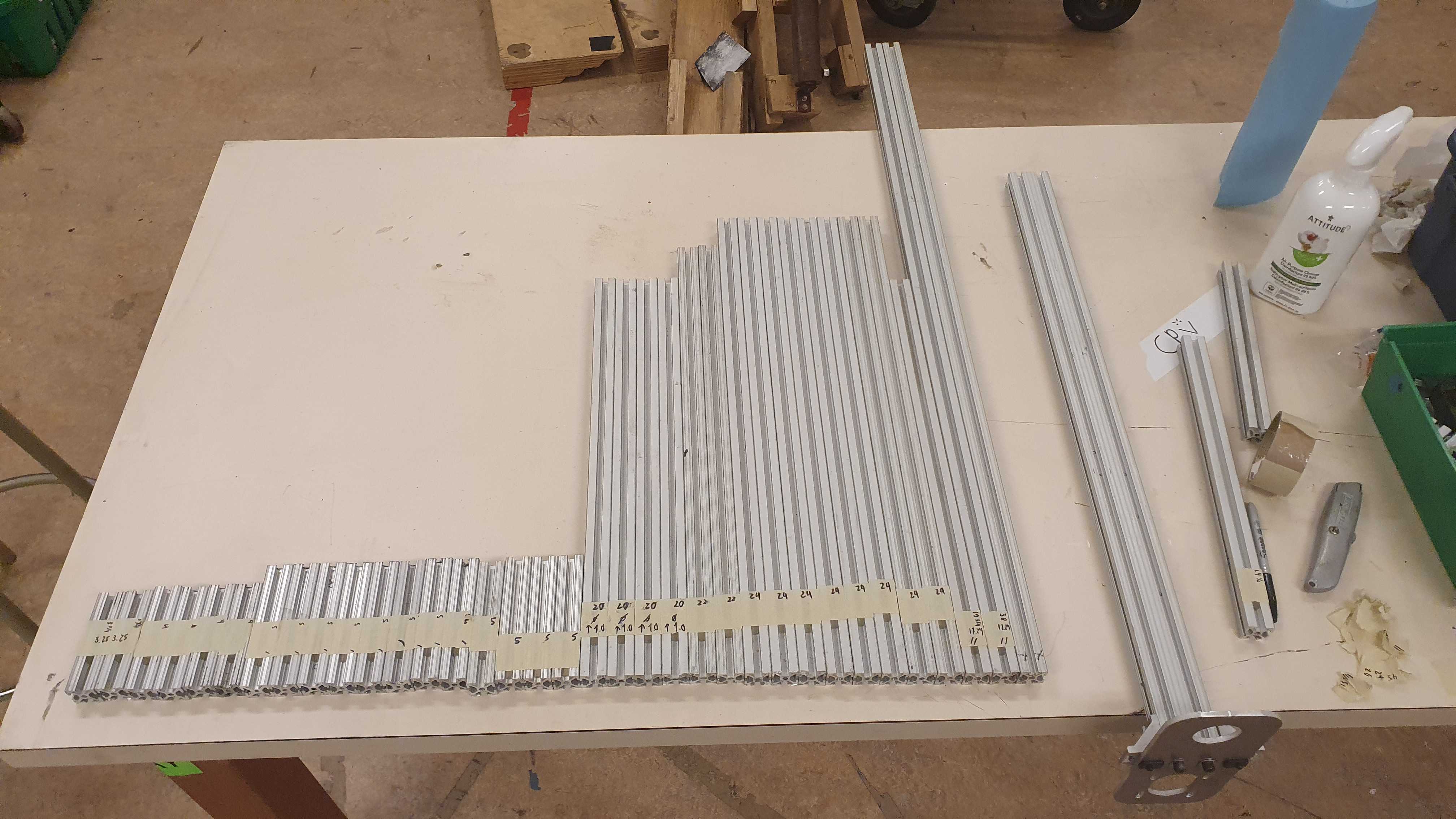
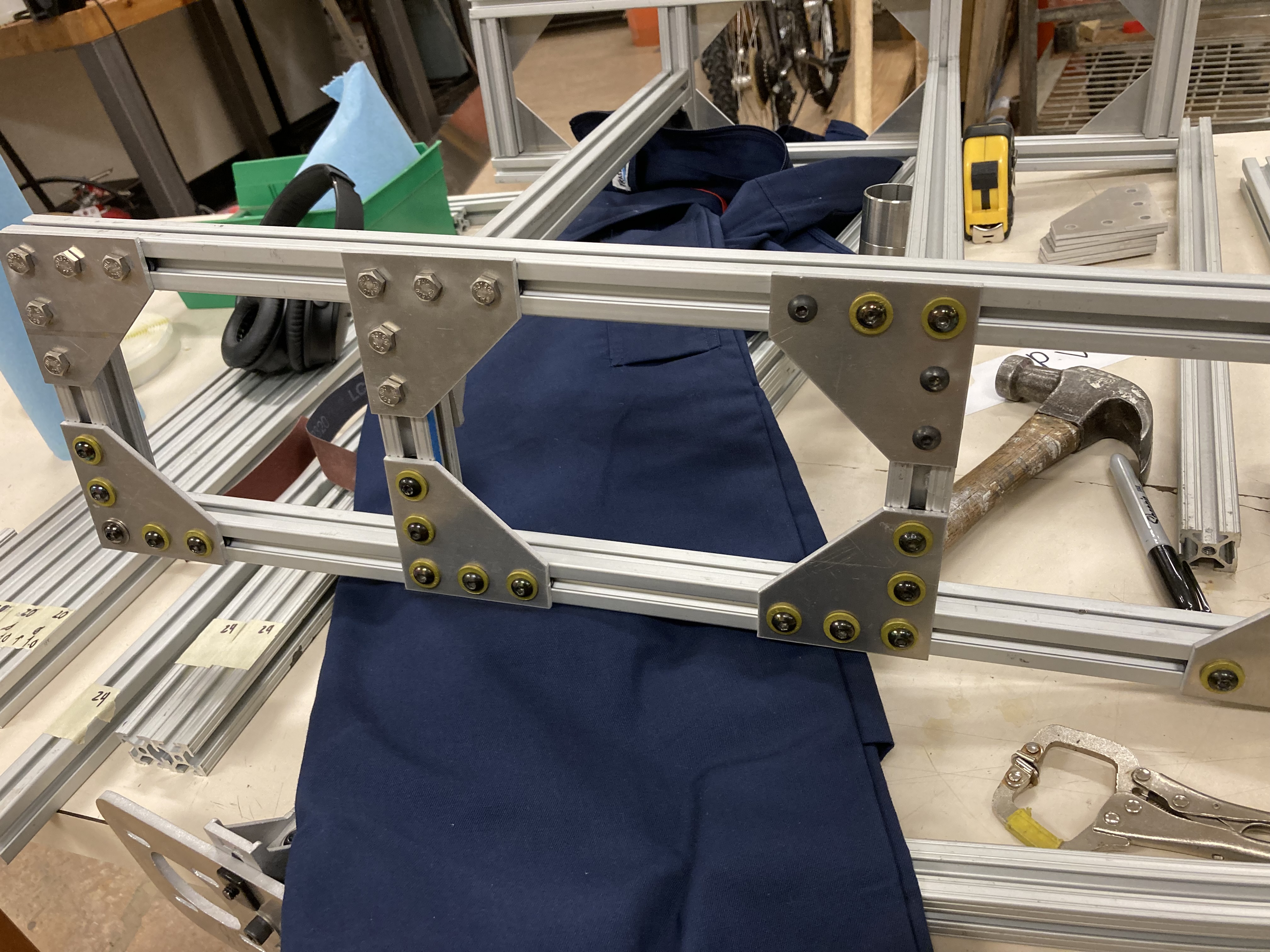
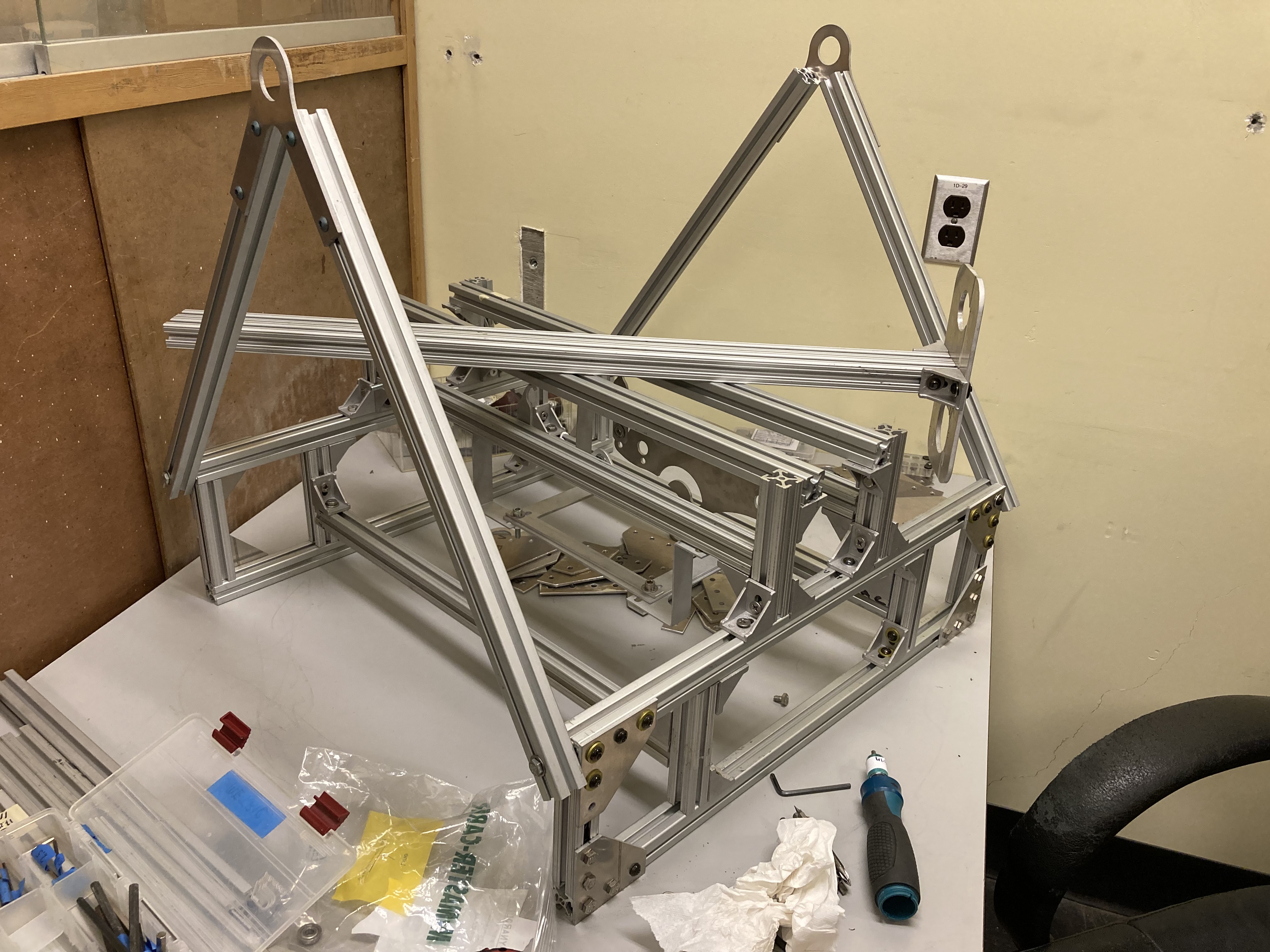
I'm working on the fuel tanks (pressure vessels) for our liquid-propellant rocket. We need these tanks to be extremely light but strong enough to hold fuel under massive pressure.

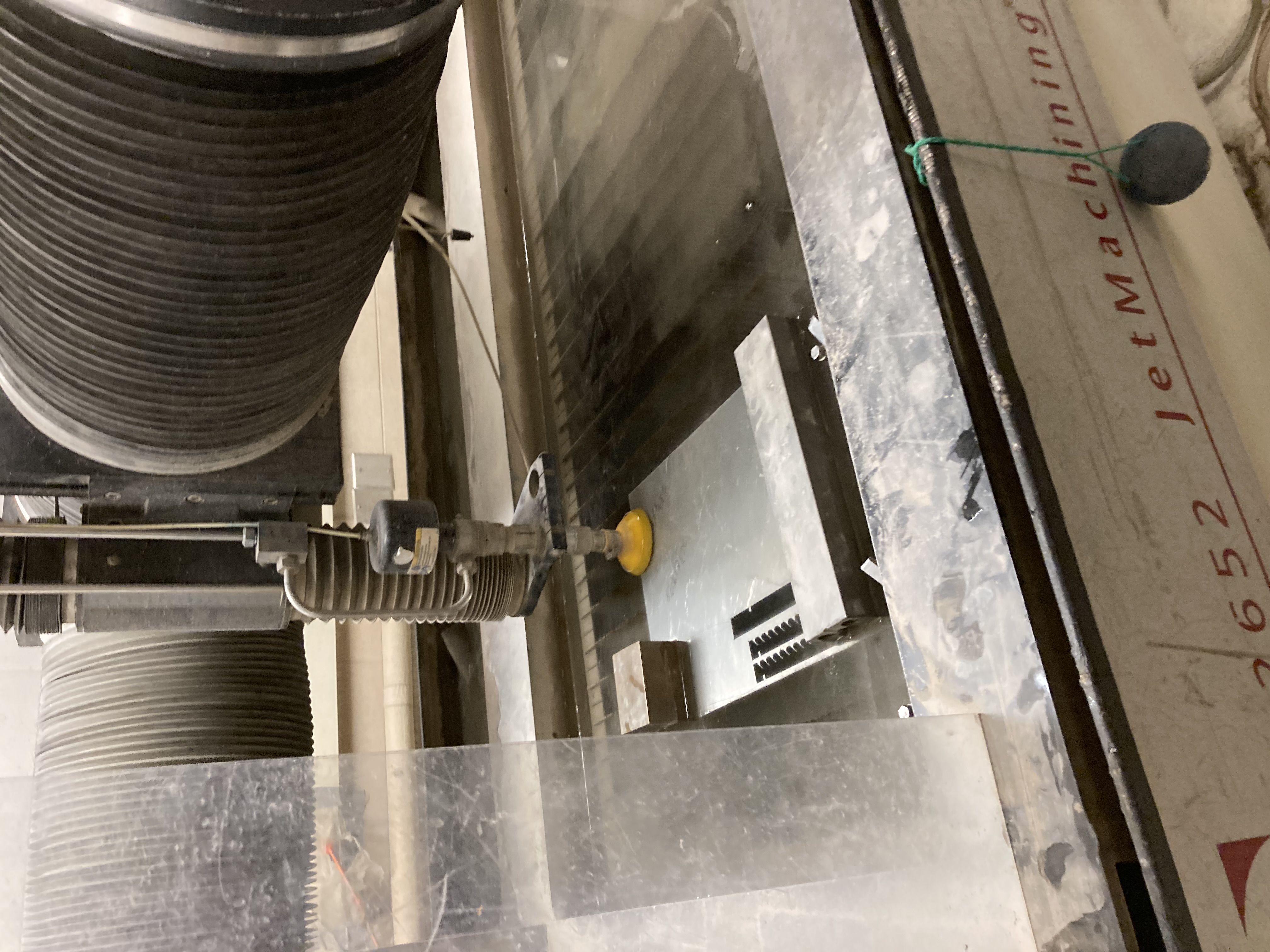
The main issue was that wrapping carbon fiber by hand is too inconsistent. To fix that, I designed a custom filament winder. It's basically a machine that automates the layup process to ensure perfect tension and layering. I also wrote the SOPs for the manufacturing process. It’s been a great way to learn about composite manufacturing outside of a textbook.

MANU 330 RC Car

Design for Manufacturing (Injection Molding & Thermoforming)

1 / 10
RC Car Prototype
2 / 10
RC Car Concept
3 / 10
RC Car Animation
4 / 10
Injection Moulding Simulations
5 / 10
Injection Moulding Parts
6 / 10
CAM of Wheel
7 / 10
Wheel Simulations
8 / 10
Wheel 3D Print
9 / 10
Thermoforming
10 / 10
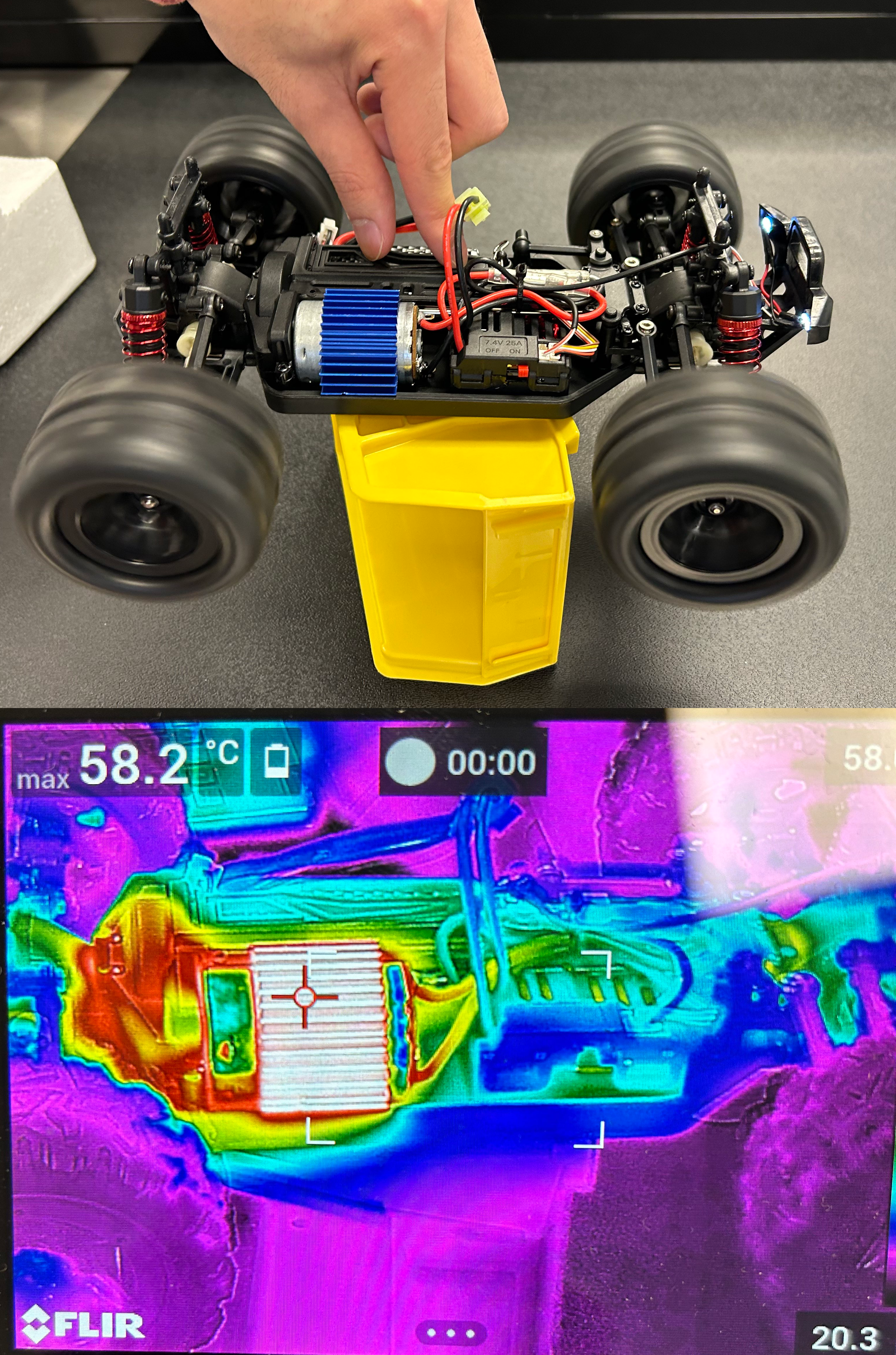
Heat Analysis of Motor

Expand for details

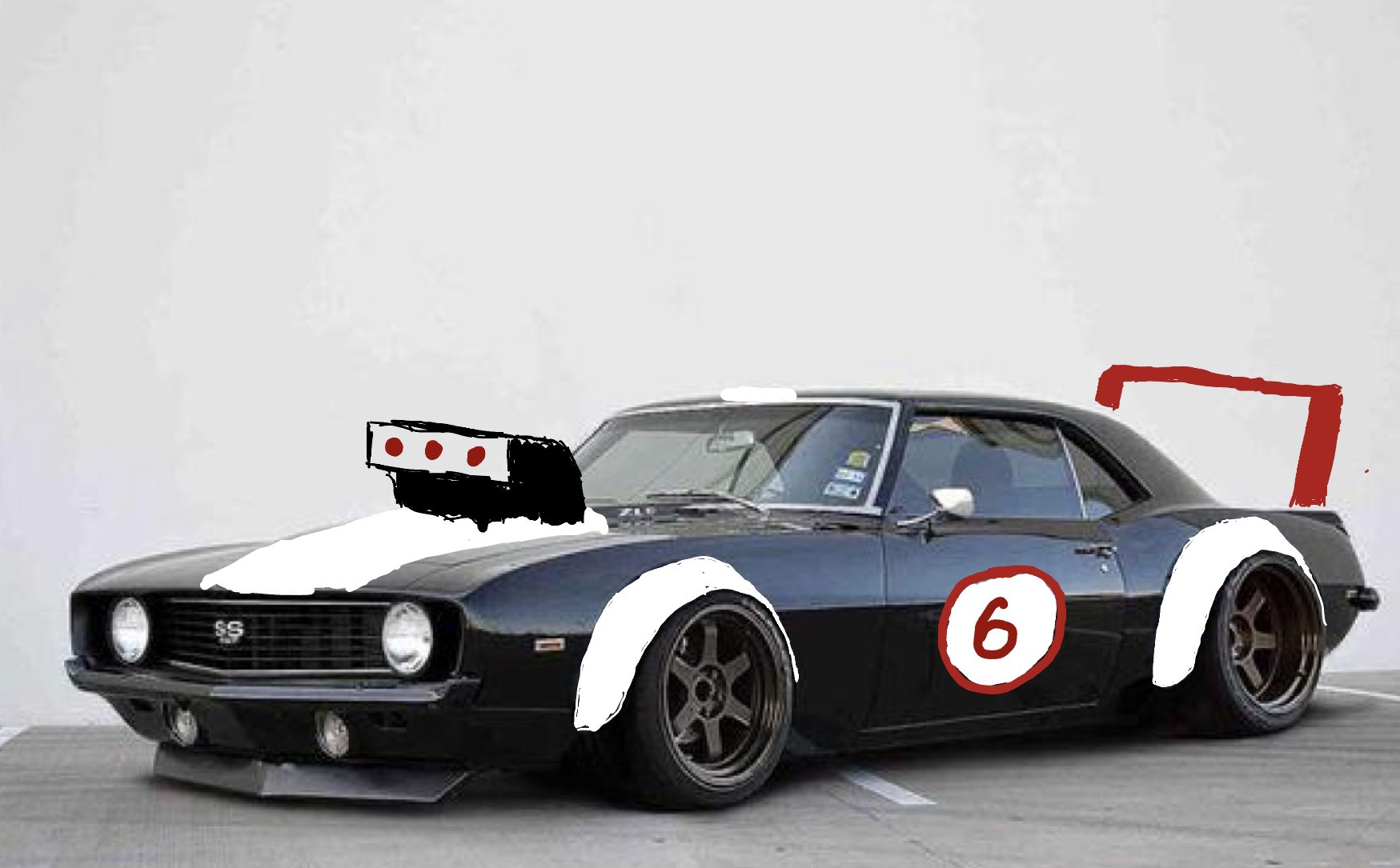
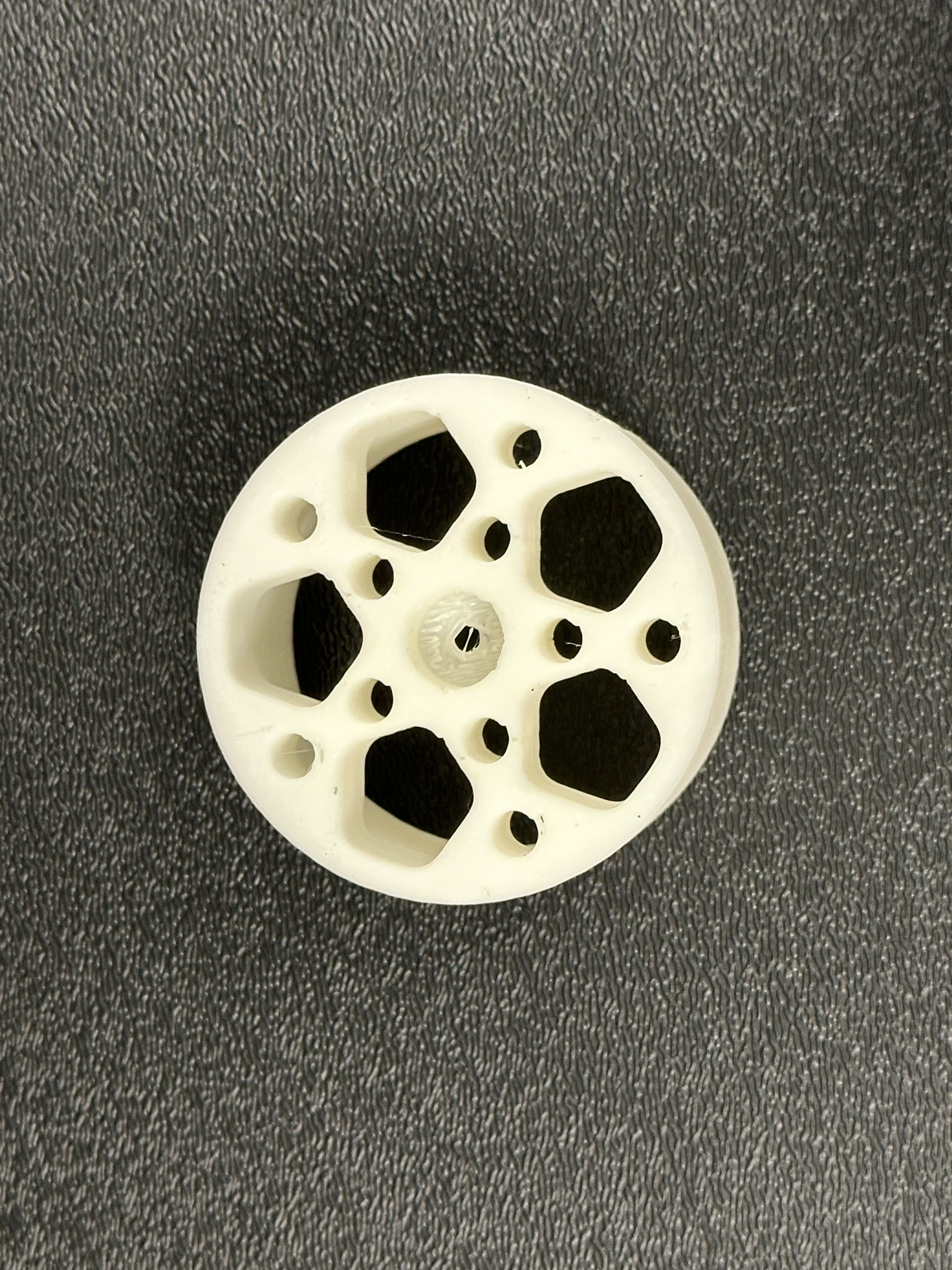
Designed components and manufacturing processes for an annual production run of 20,000 units of an RC car. Covered aluminum wheels, thermoformed shell body, and composite chassis.

InnoVent

S.A.M.I Vertical Farm

1 / 8
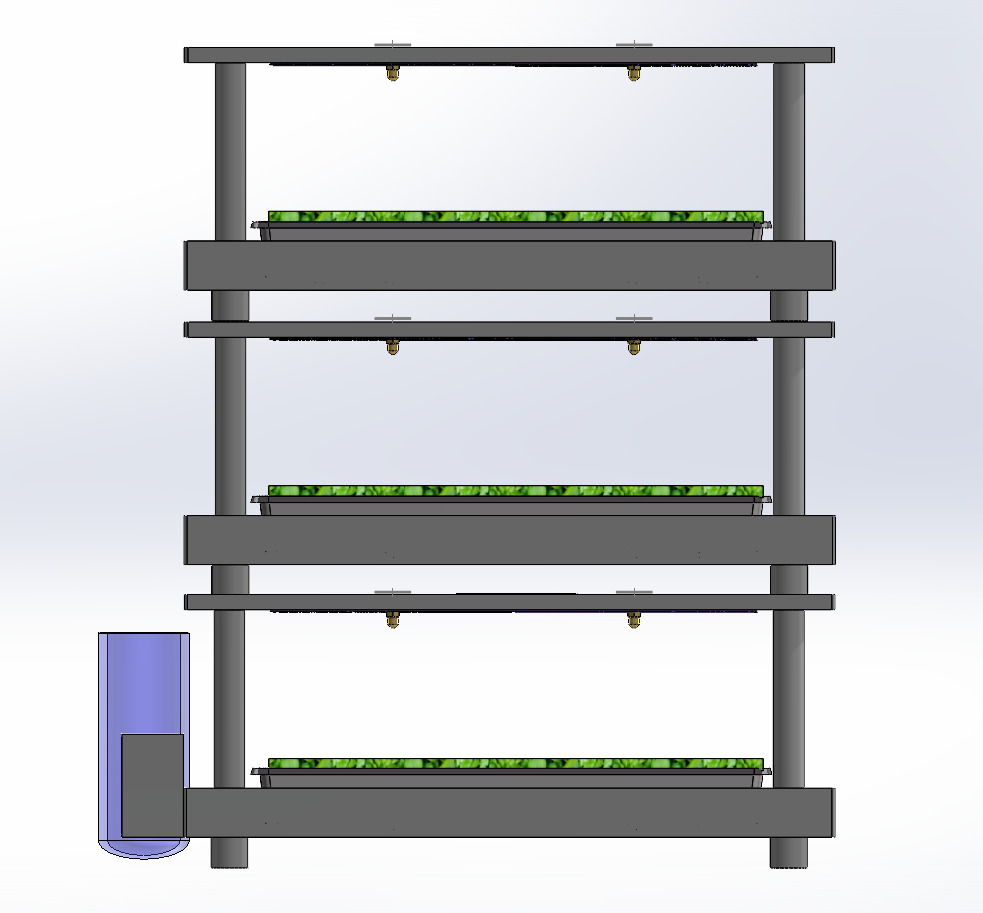
SOLIDWORKS File
2 / 8
SOLIDWORKS File
3 / 8
SOLIDWORKS File
4 / 8
5 / 8
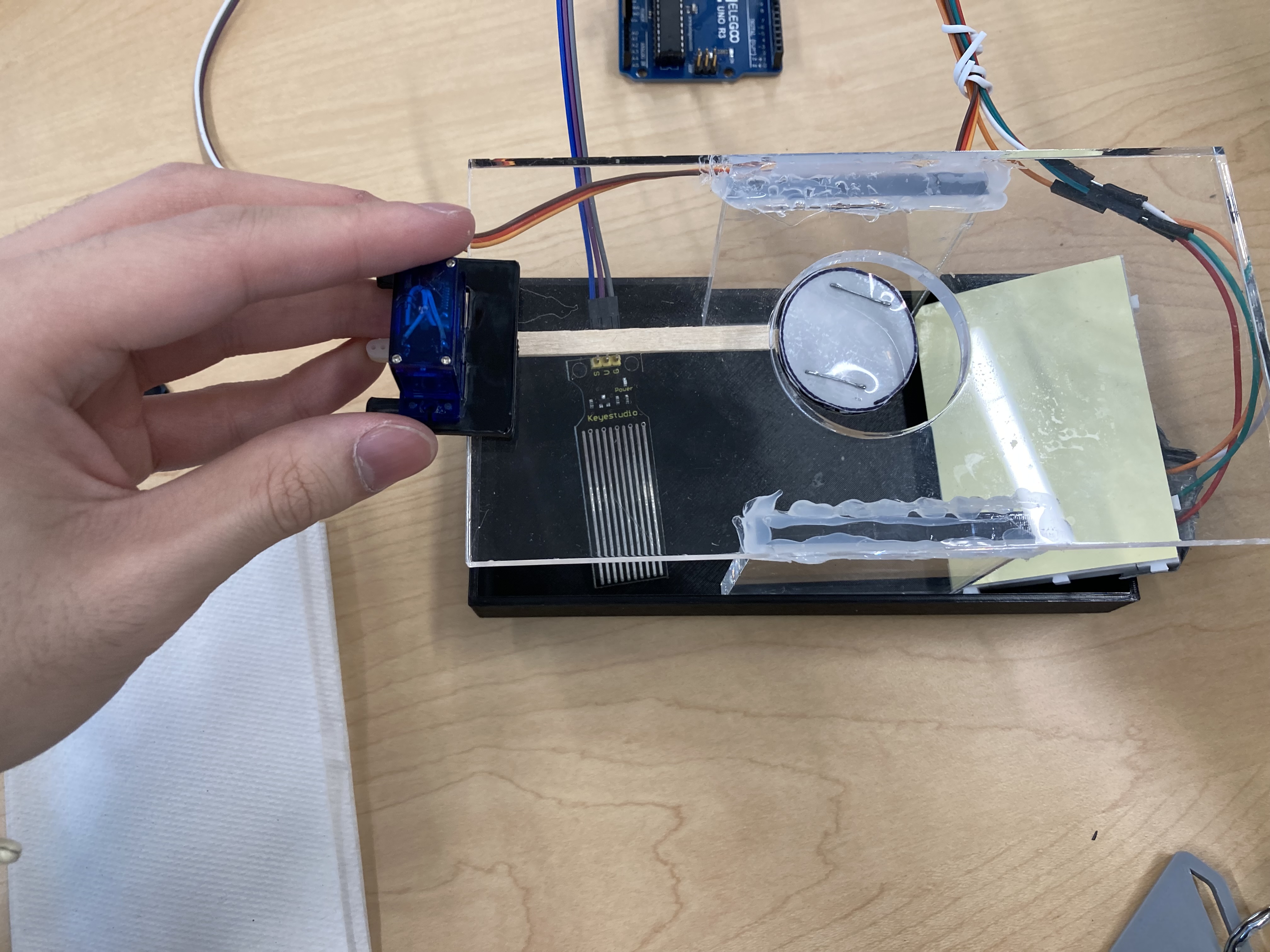
Physical Prototype
6 / 8
Presentation
7 / 8
Figma Wire frame for App
8 / 8
Team Photo

Expand for details

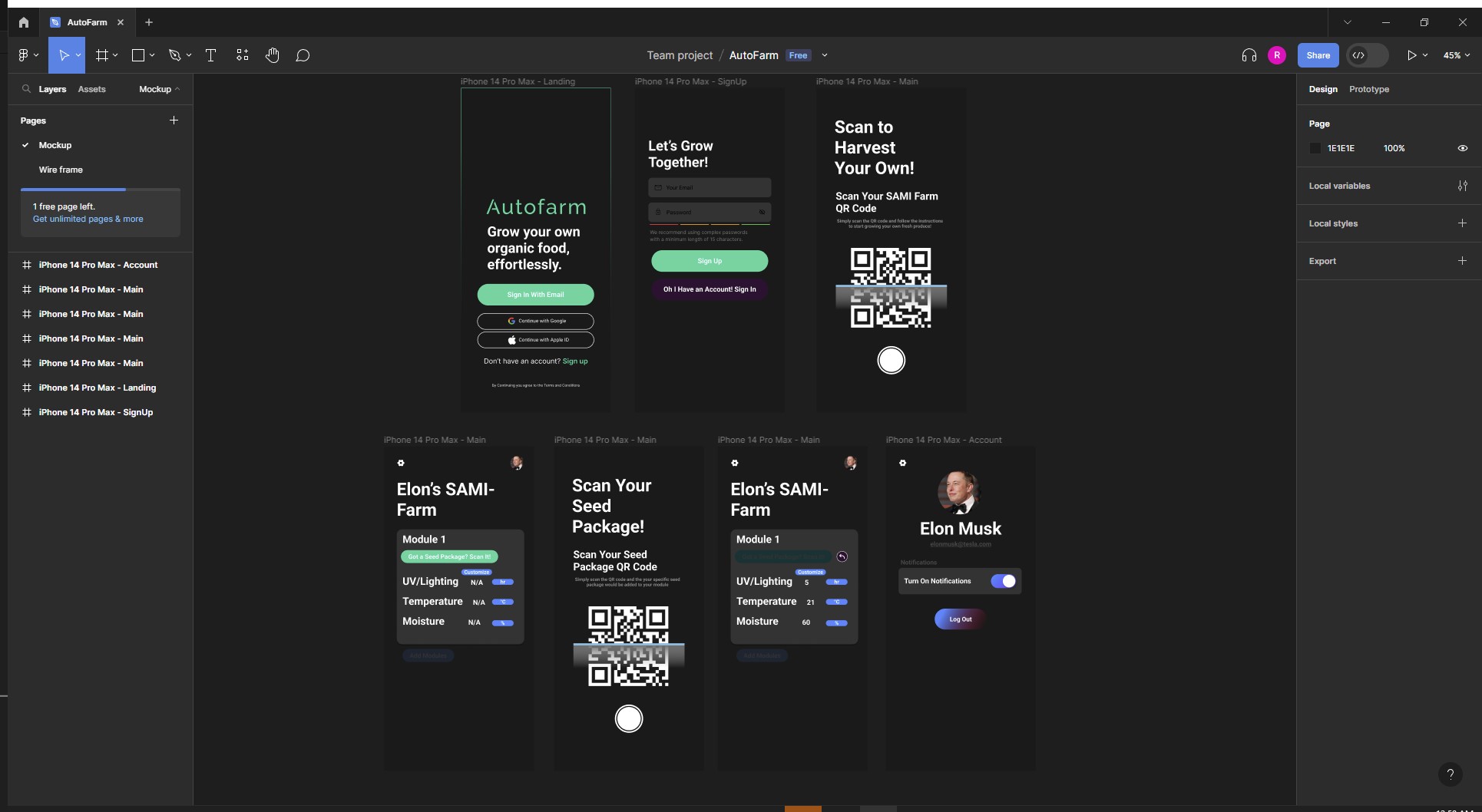
Led a multidisciplinary team to build a "Semi-Autonomous Modular Indoor" farm prototype using Arduino. Integrated hardware sensors with a mobile app UI created in Figma.

Rapid Prototyping & CAD

3D Sea Level Rise Visualization

Automated GIS to STL Workflow (MANU 453)

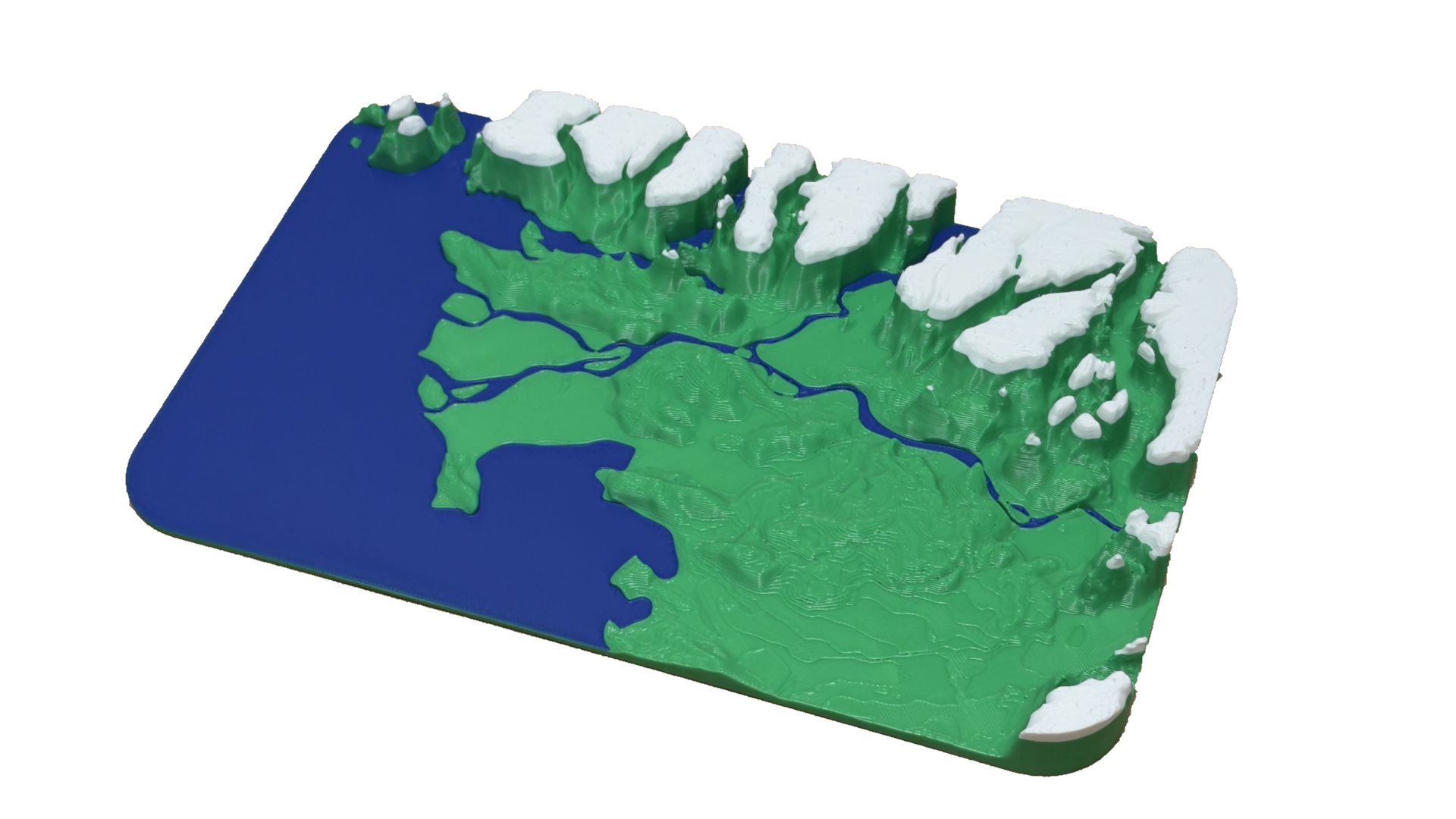
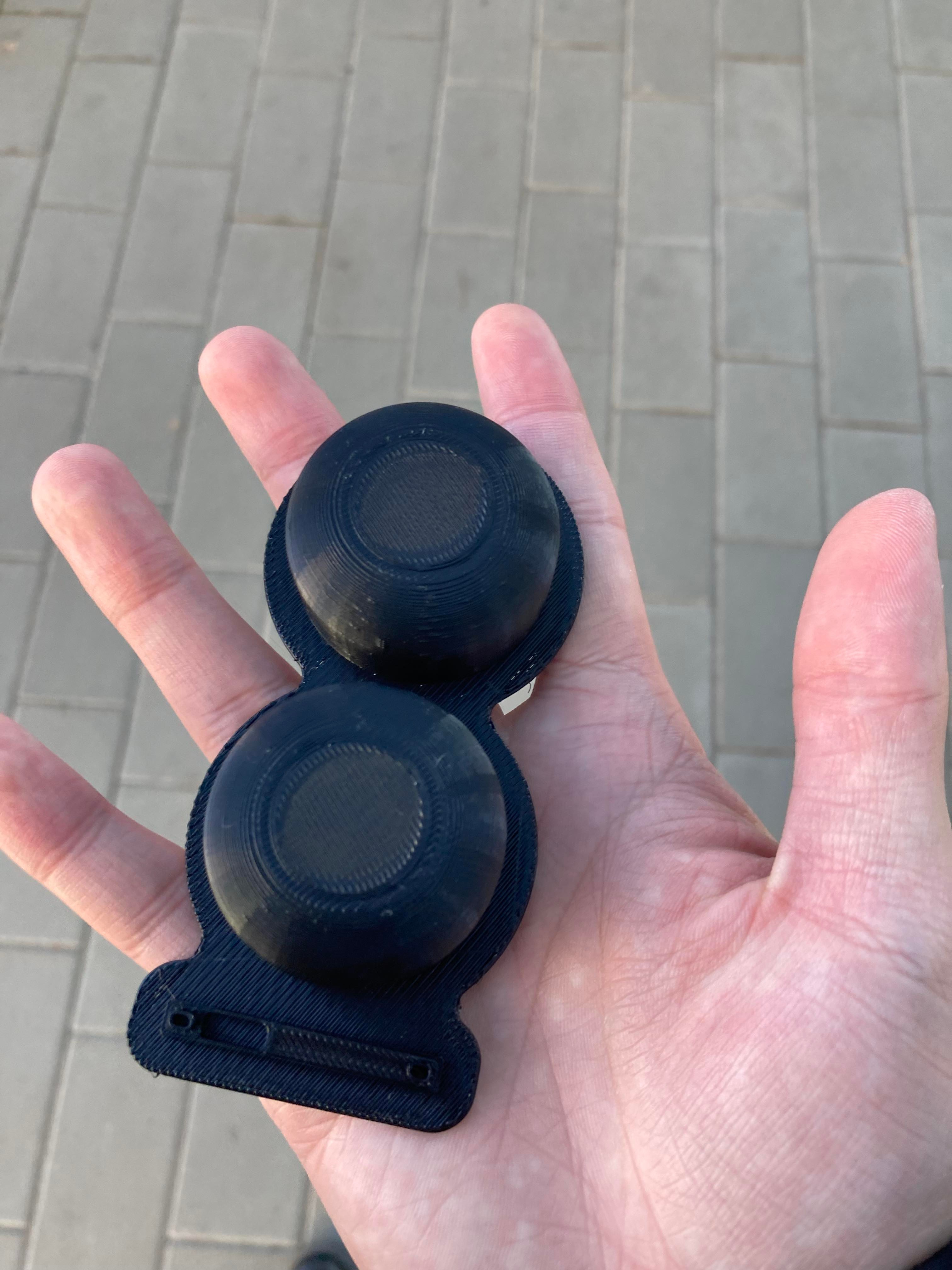
3D printed topography map with detachable sea-level rise insert
1 / 4
Final Prototype
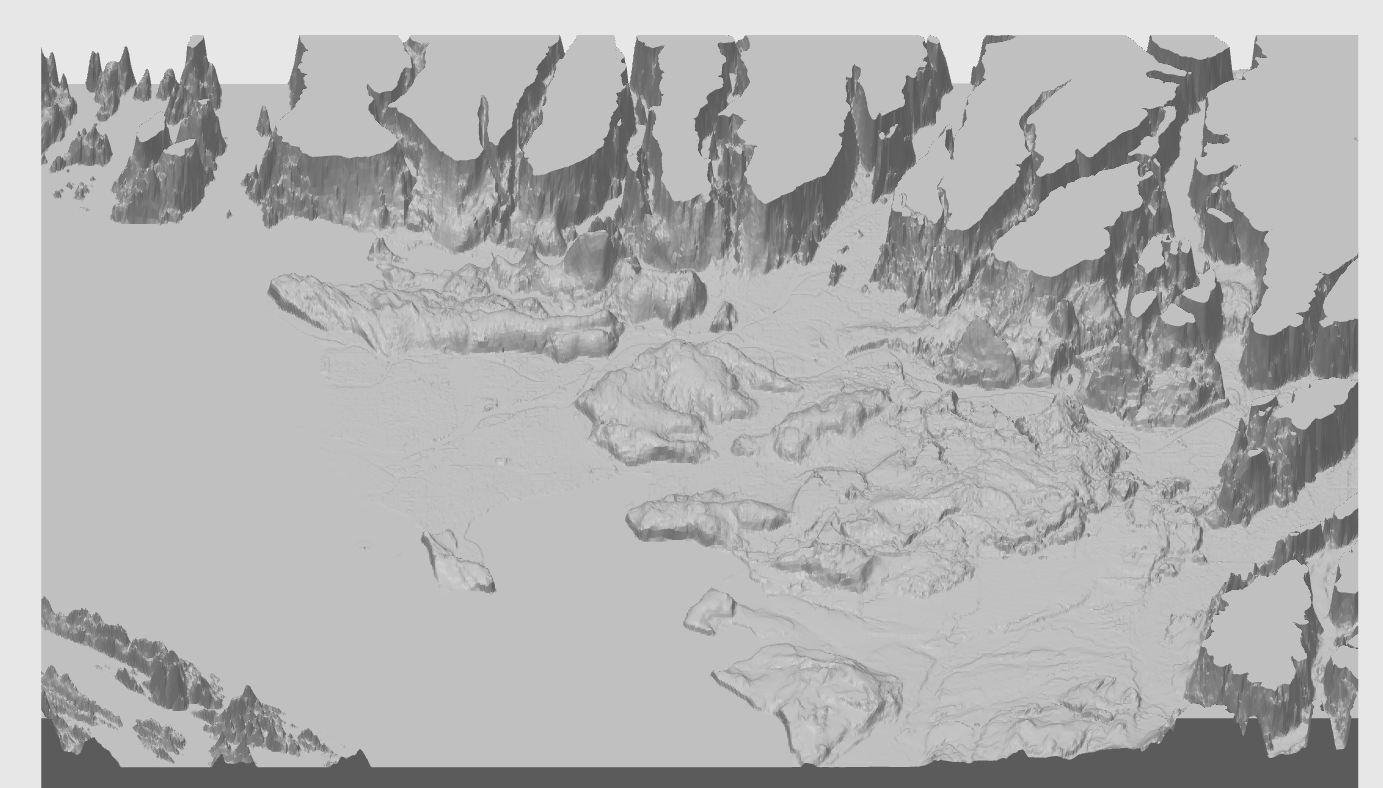
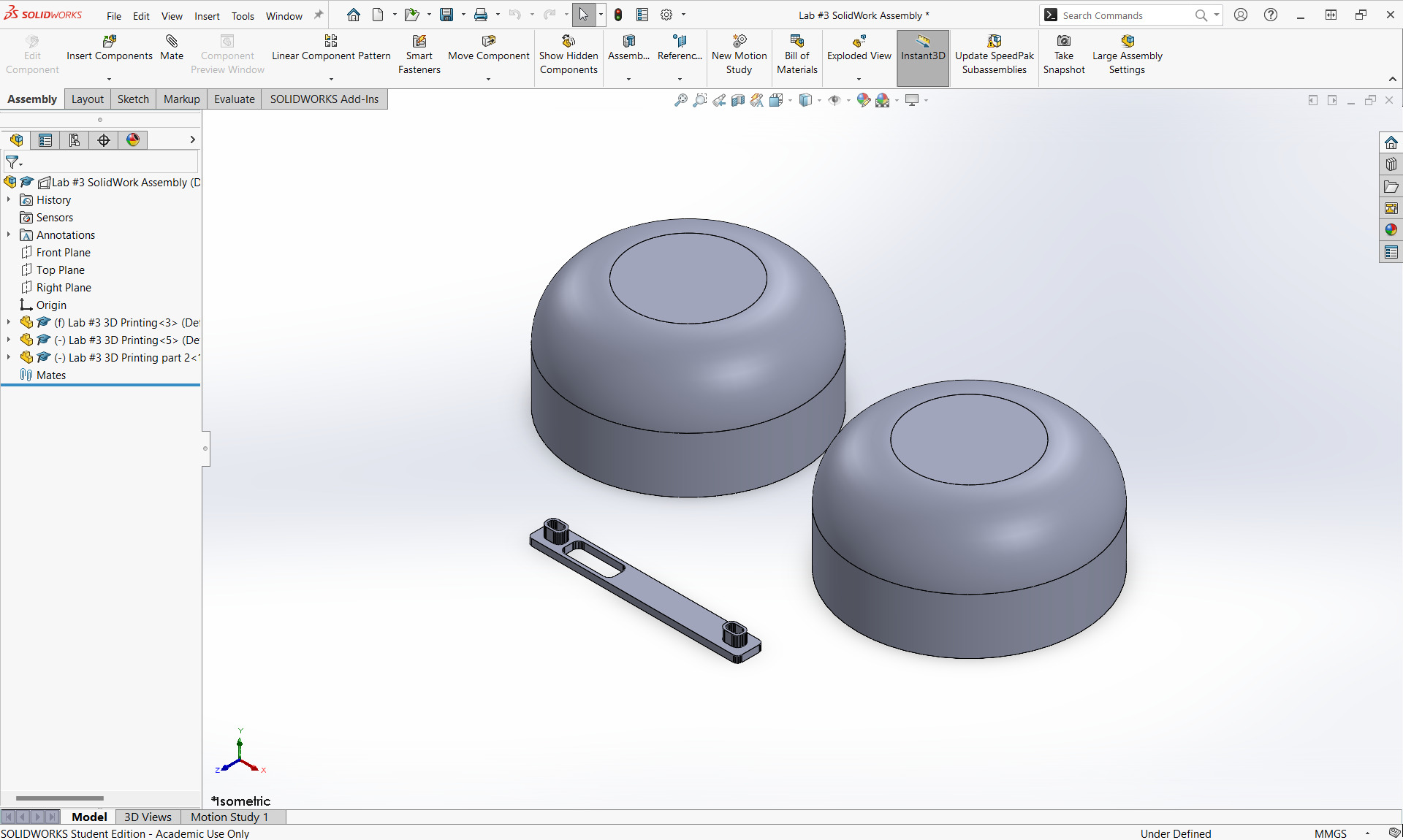
SolidWorks assembly of generated terrain and water volume
2 / 4
Automated CAD Assembly
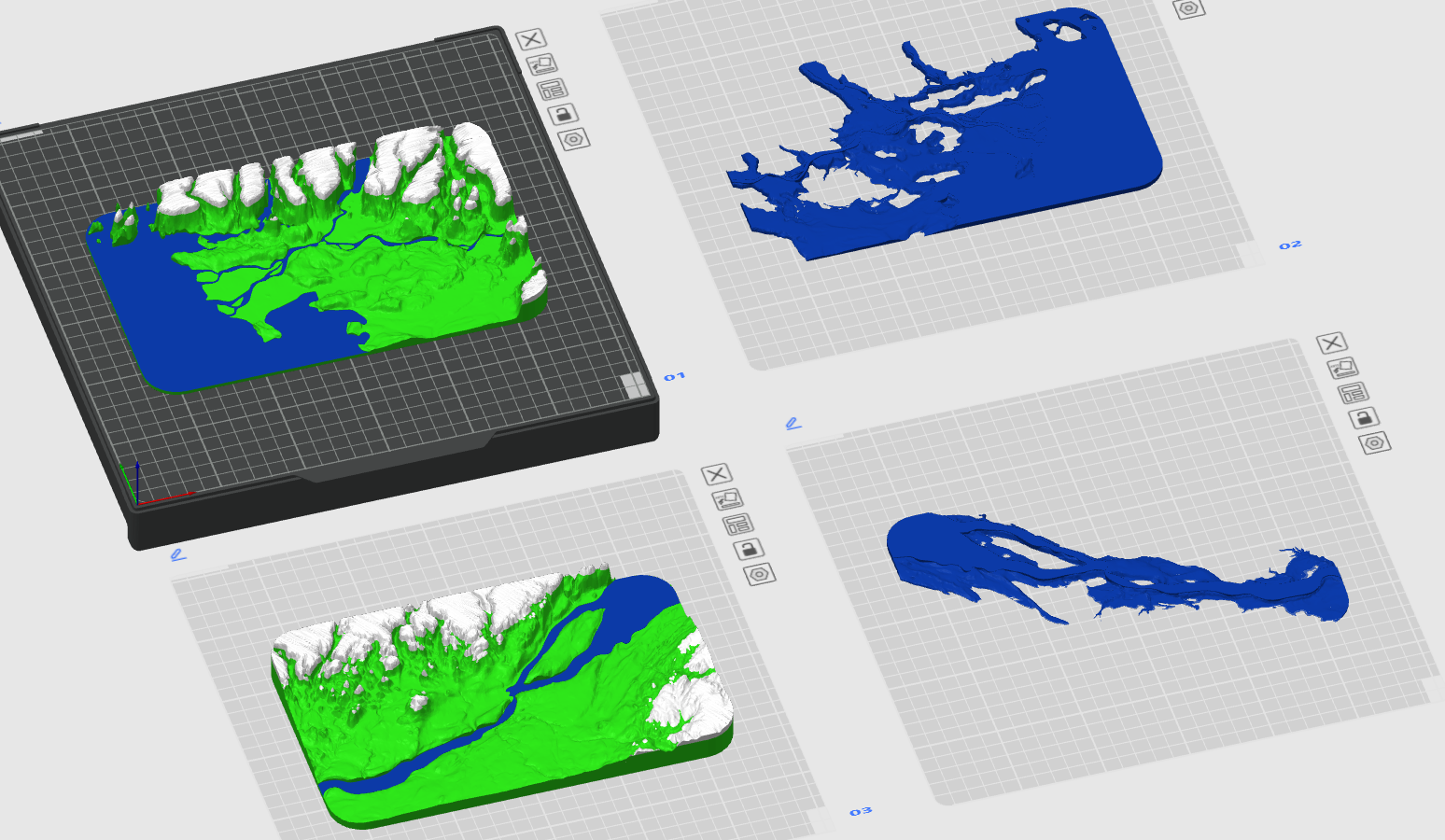
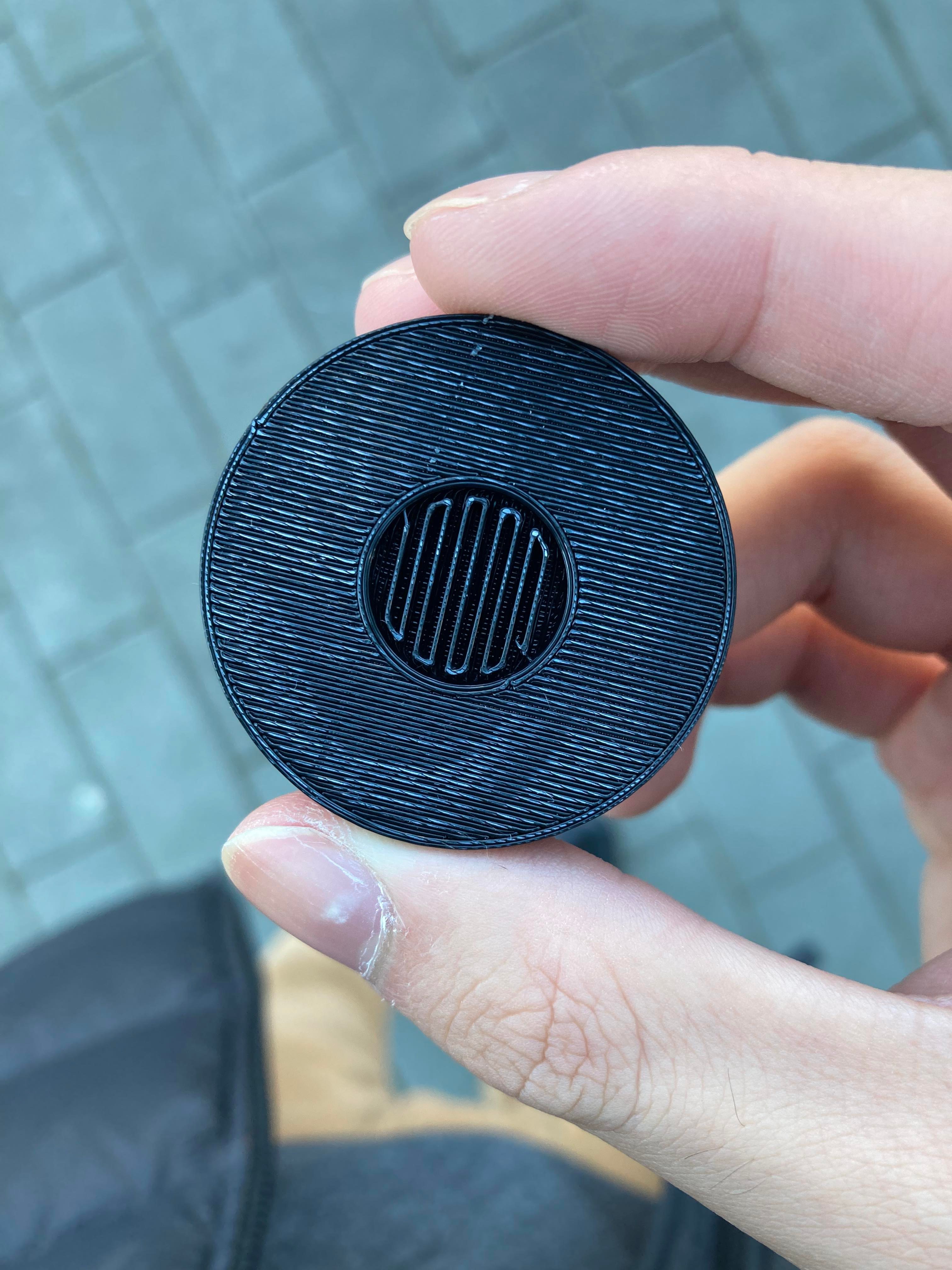
Slicer toolpath analysis for multi-color FDM printing
3 / 4
Slicer & DfAM Optimization
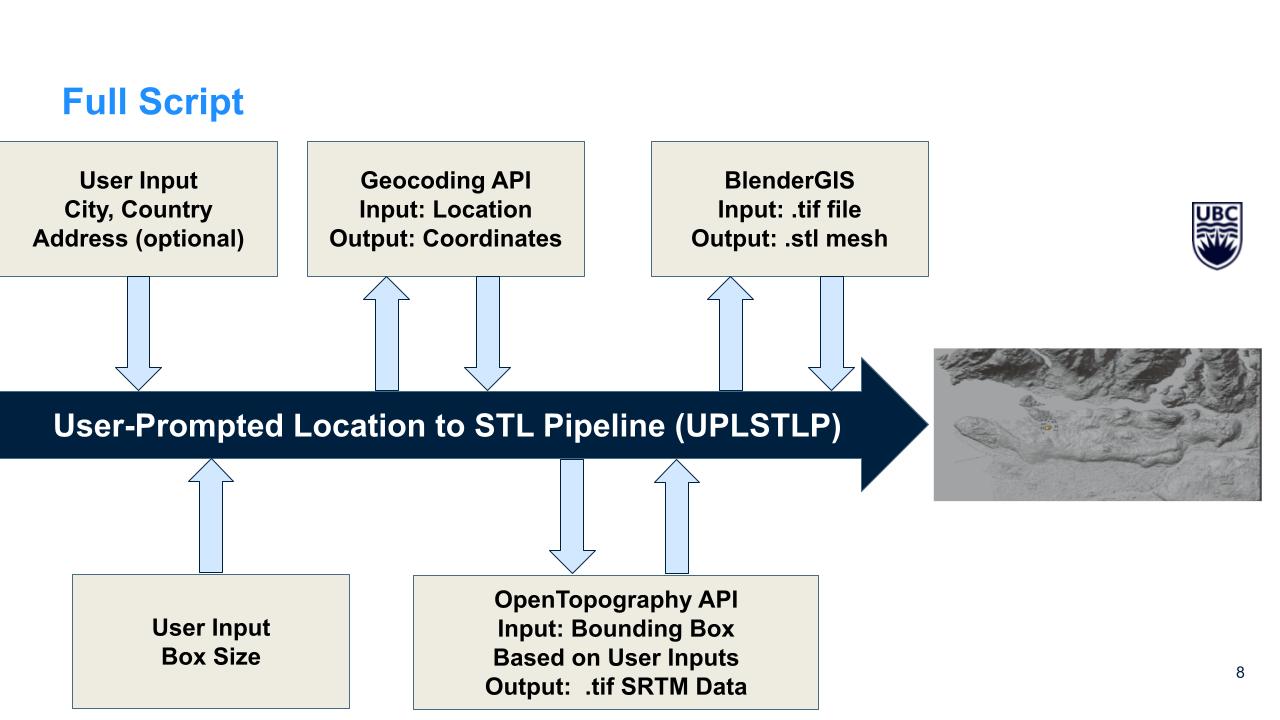
Flowchart showing the Python script pipeline from user input to STL generation
4 / 4
Automated Script Workflow

Expand for details

For my Additive Manufacturing Design project, our team built a workflow to visualize climate change data physically. The goal was to take abstract data and turn it into a tangible 3D model that anyone could hold.

My role focused on the software pipeline and fabrication. We automated the process of grabbing Digital Elevation Model (DEM) data from NASA/Google APIs, processing the heightmaps in Blender to remove noise, and generating printable STL files.

A key technical challenge was designing the "water" inserts. I developed a method to generate a separate, boolean-subtracted volume for the ocean that perfectly mated with the terrain mesh. This allowed us to print the terrain in green and the water in blue using filament swaps, creating a clear, educational visualization of how rising sea levels impact specific coastal cities.

Compact Laptop Stand

Functional 3D Printing

1 / 5
SOLIDWORKS file
2 / 5
Semi-finished 3D model
3 / 5
Underside
4 / 5
Post Processing
5 / 5
In Use

Expand for details

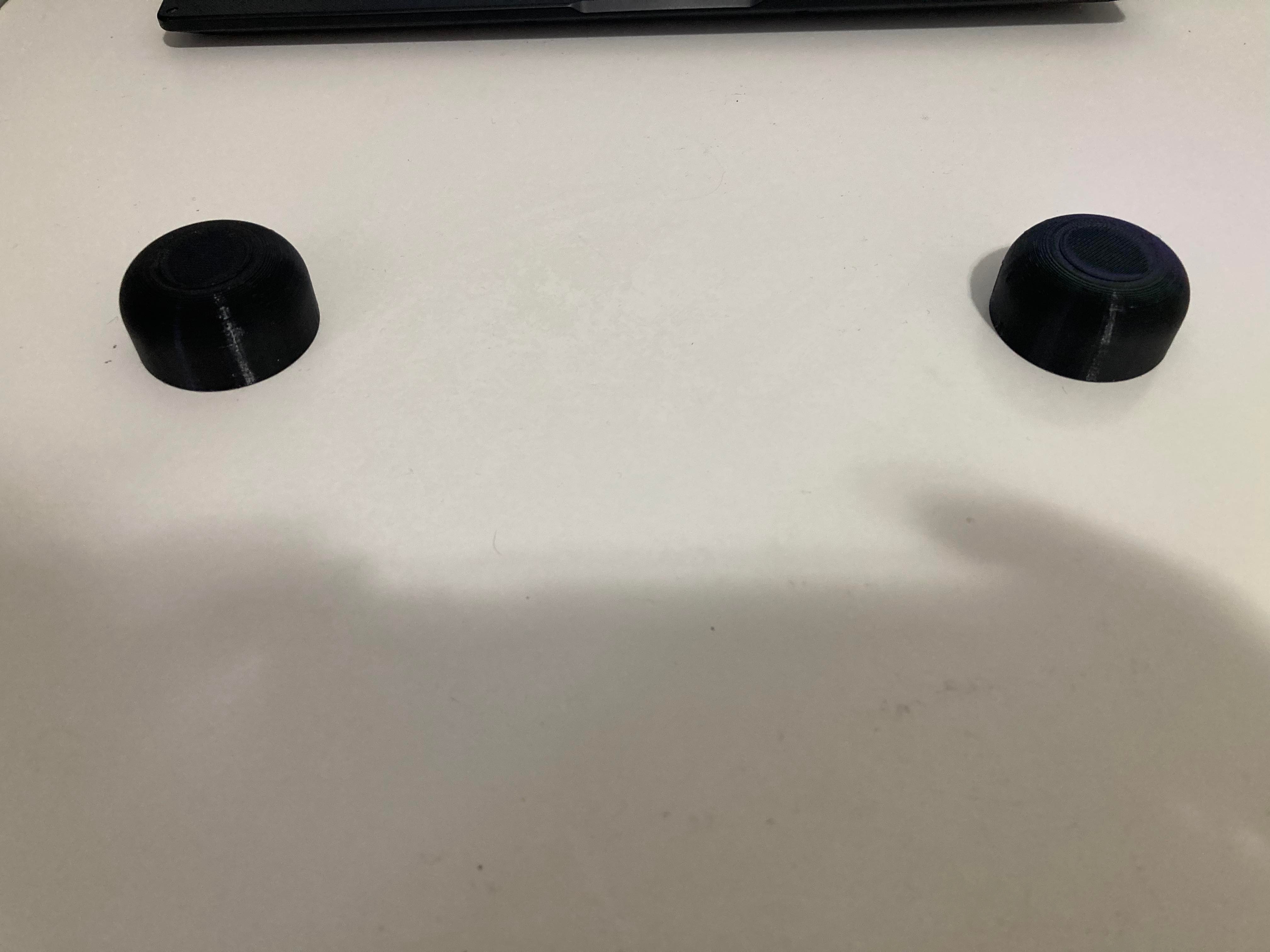
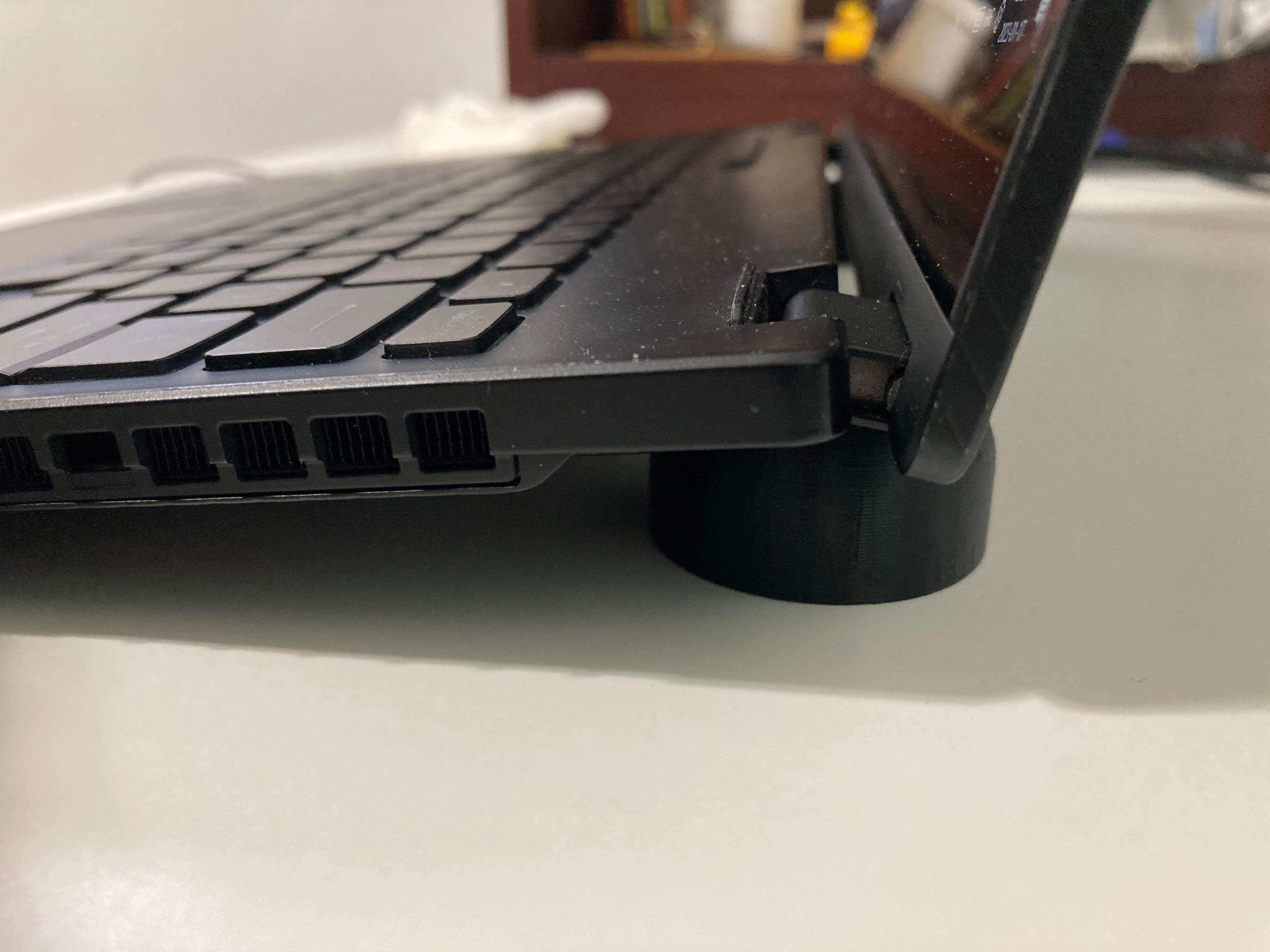
Designed a custom laptop stand to improve ergonomics and thermal dissipation. The innovative design raises the laptop, promoting better airflow and significantly lowering operating temperatures.

Utility Blade Holder

Shop Tool Design

1 / 5
Post Processing
2 / 5
Ultimaker Cura File
3 / 5
3D Printing
4 / 5
Semi-finished 3D model
5 / 5
Post Processing

Expand for details

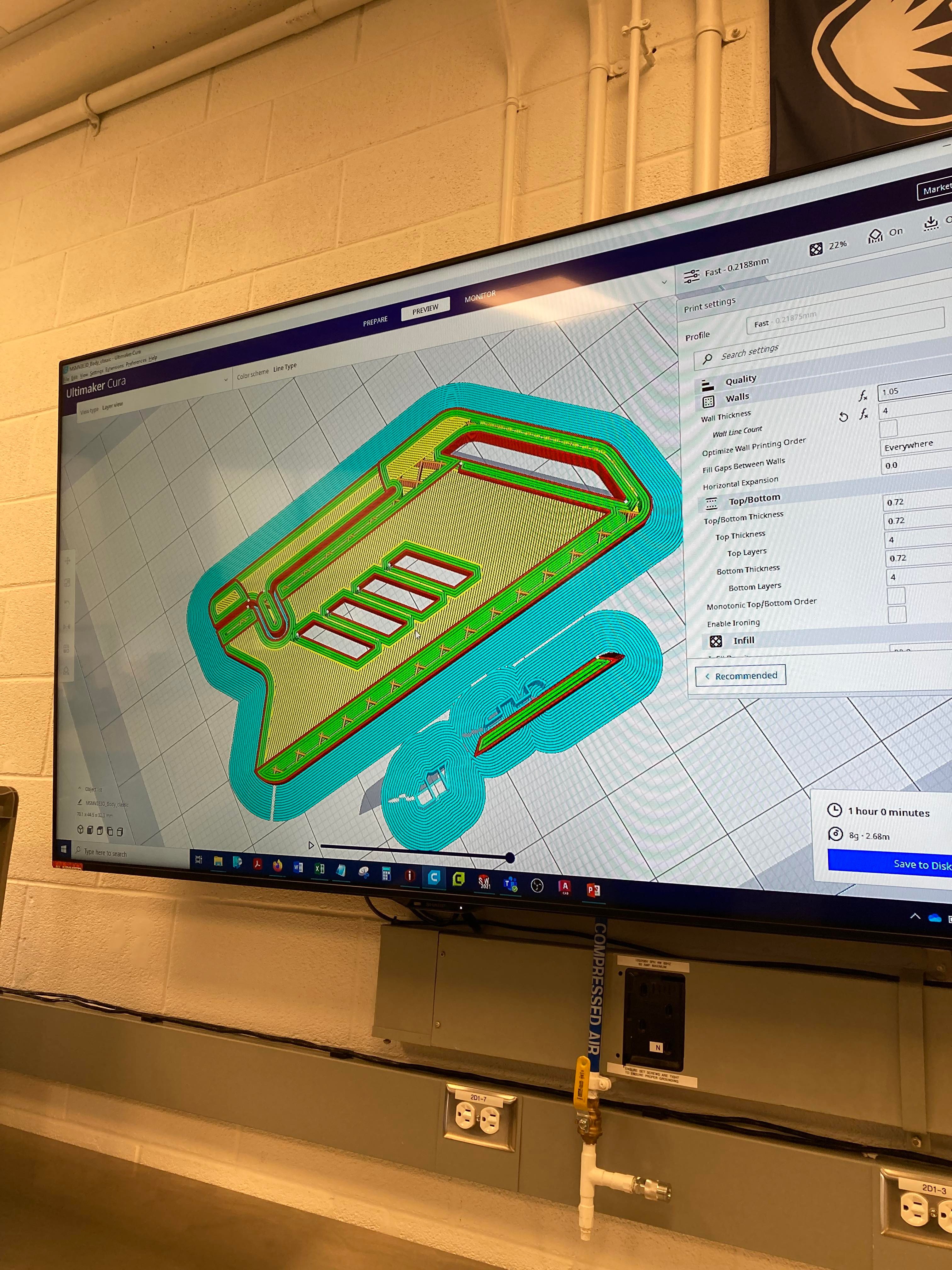
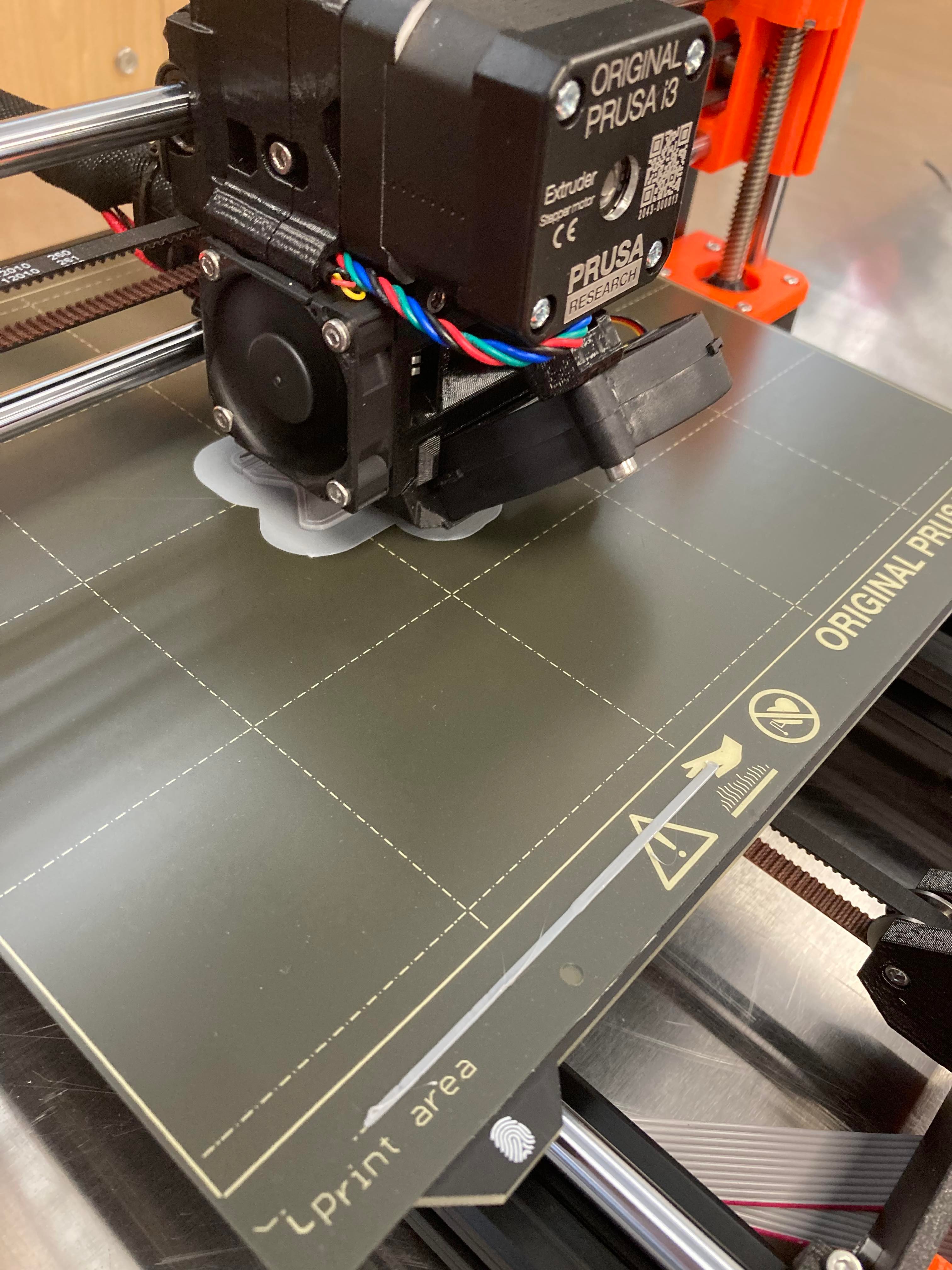
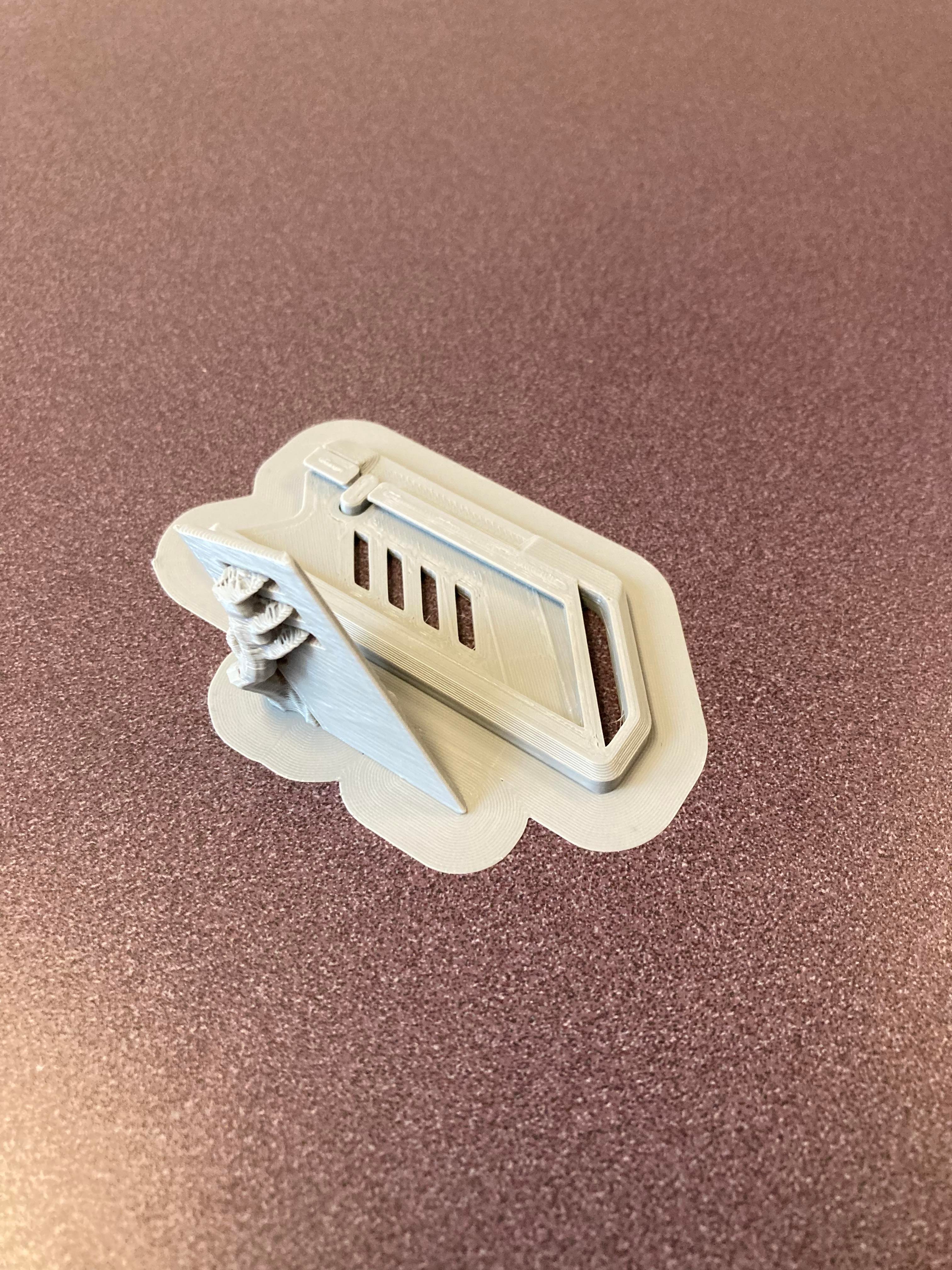
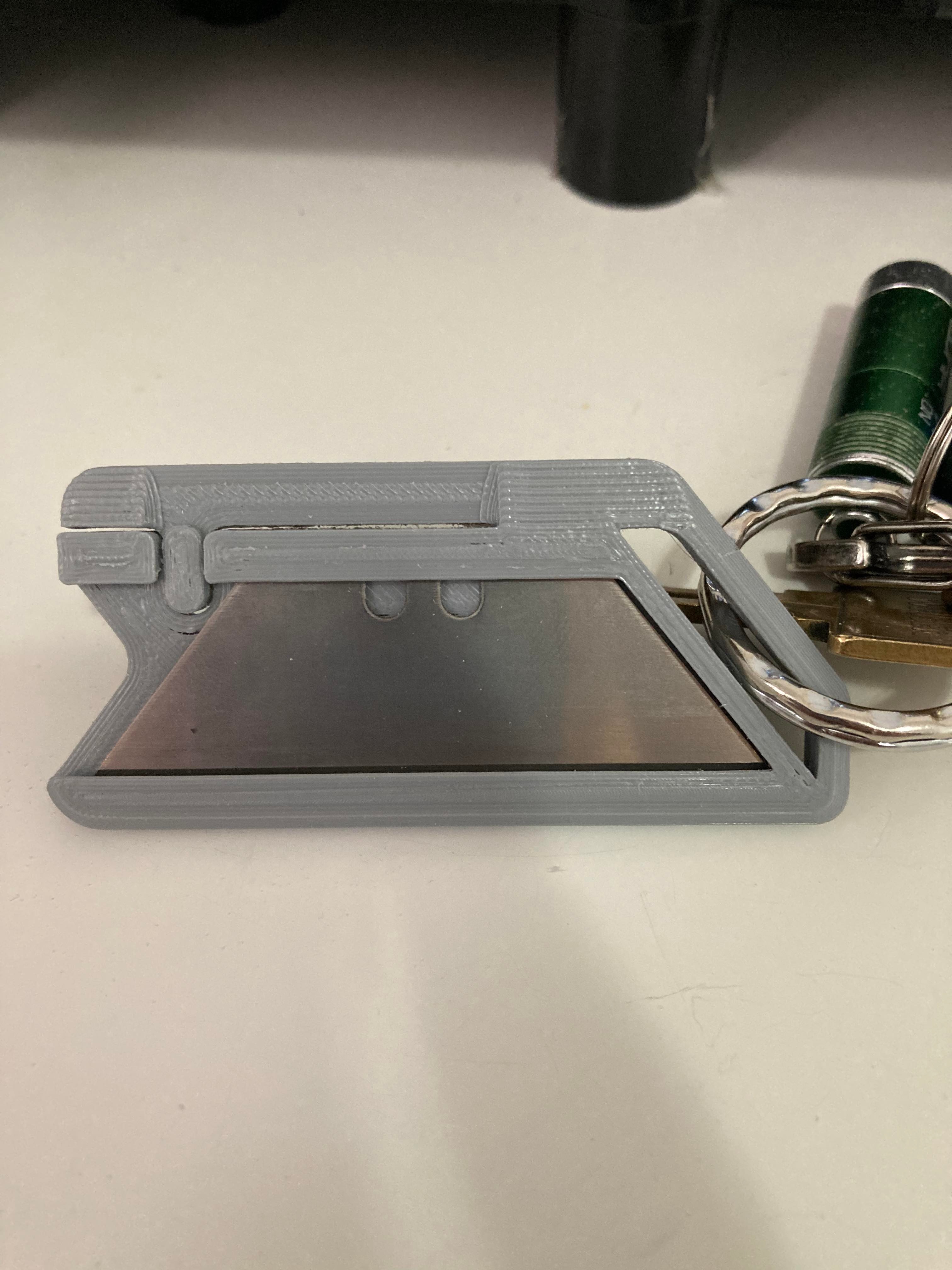
Developed a practical 3D printed utility blade holder to assist with shop tasks such as opening boxes and deburring materials.

Software & Game Development

Everline

Unity | C#

1 / 4
2 / 4
3 / 4
4 / 4

Expand for details

Developed a 2D platformer using Unity and C#. Published the final build to itch.io, achieving 3,000+ unique player downloads.

Donut Clicker

1 / 3
2 / 3
3 / 3

Expand for details

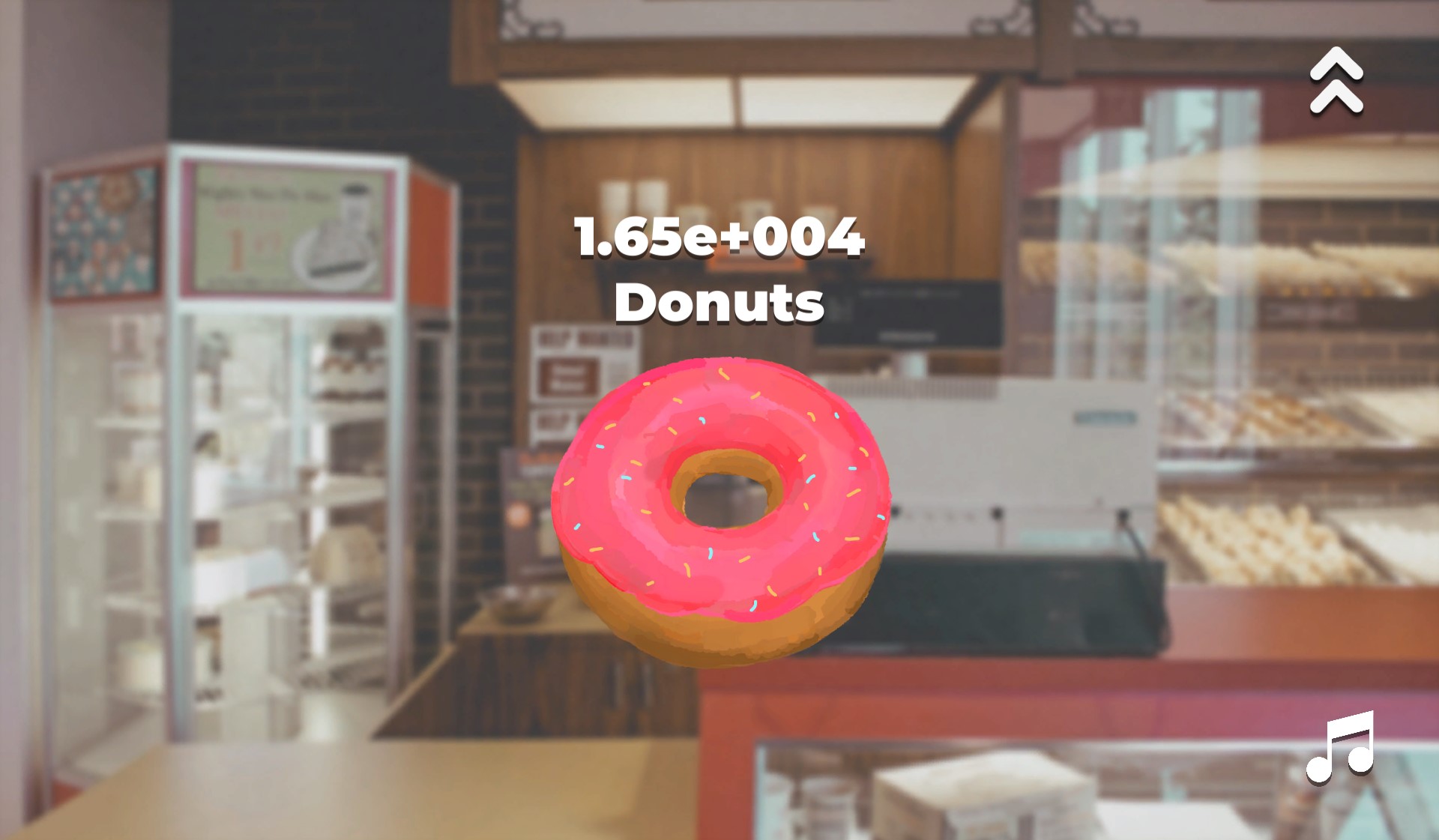
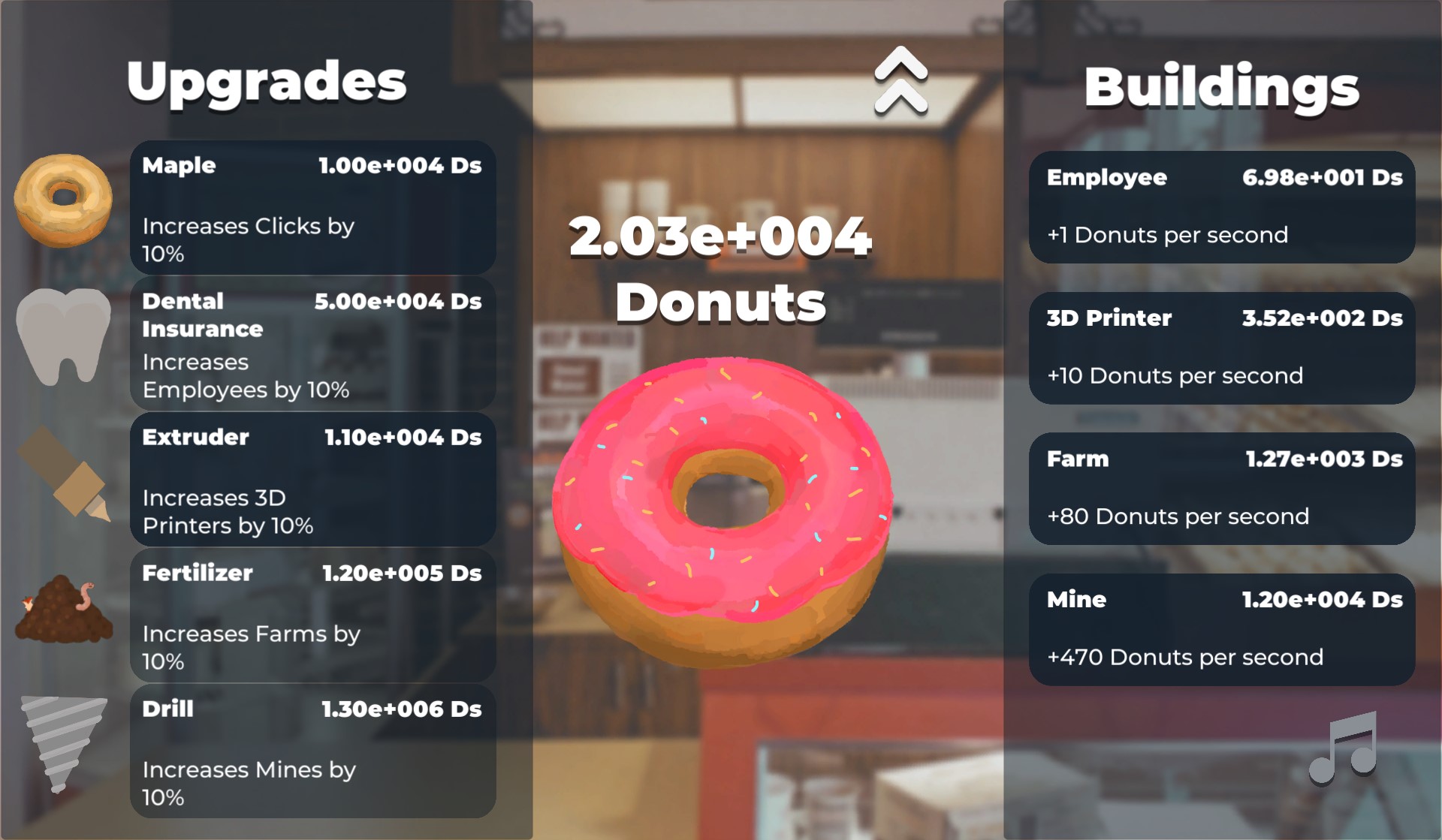
A passion project exploring incremental game mechanics. Collaborated with a digital artist to design custom assets and implemented game logic in C#.

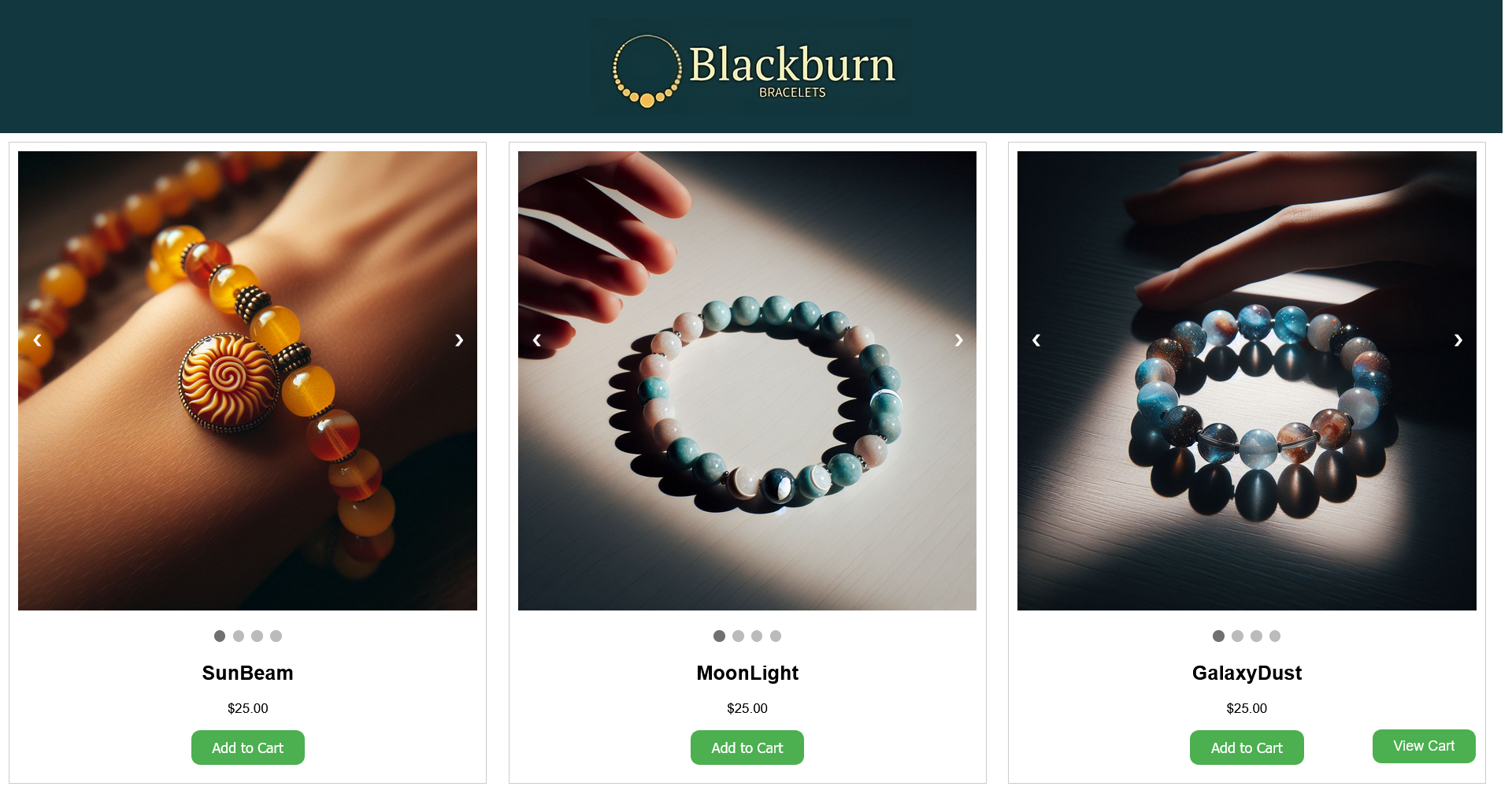
Generative AI Web Development

Prompt Engineering & AI Tools

1 / 7
Website
2 / 7
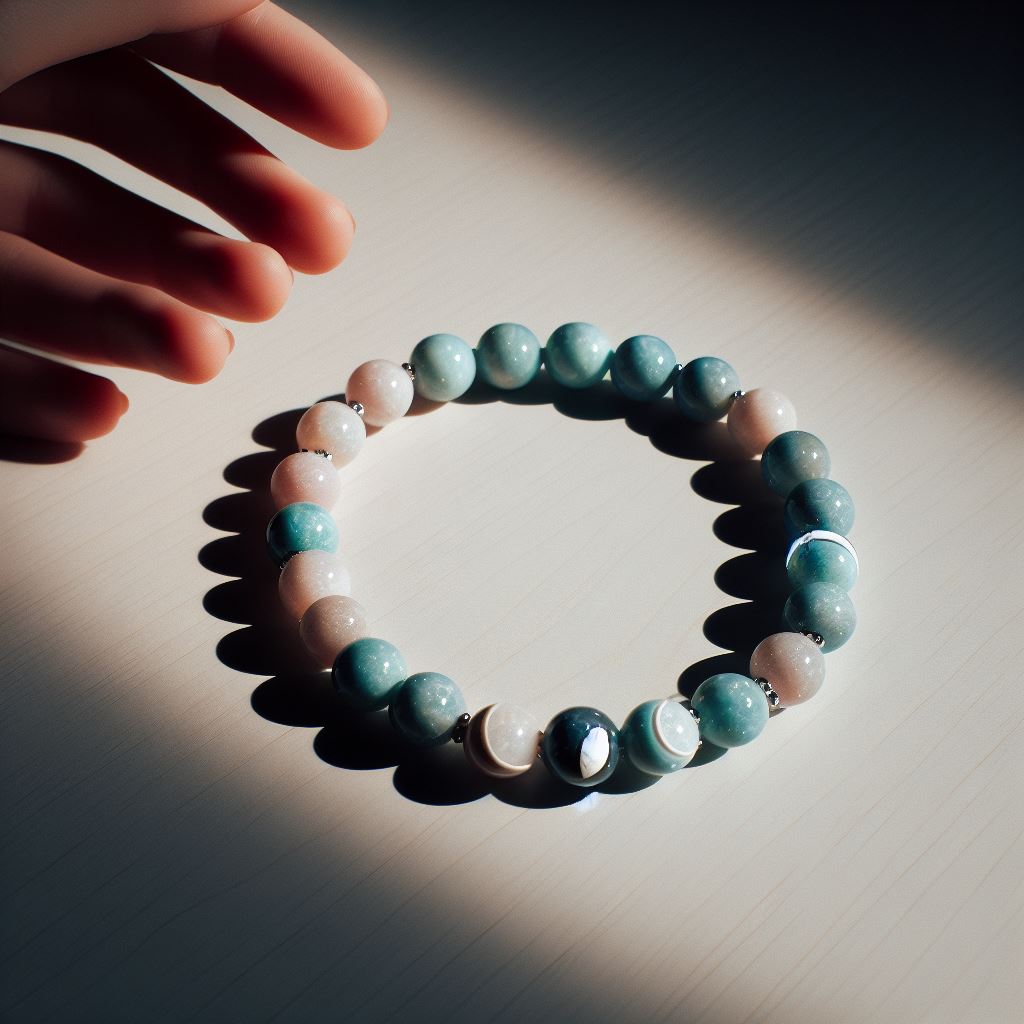
AI Generated Product
3 / 7
AI Generated Product
4 / 7
AI Generated Product
5 / 7
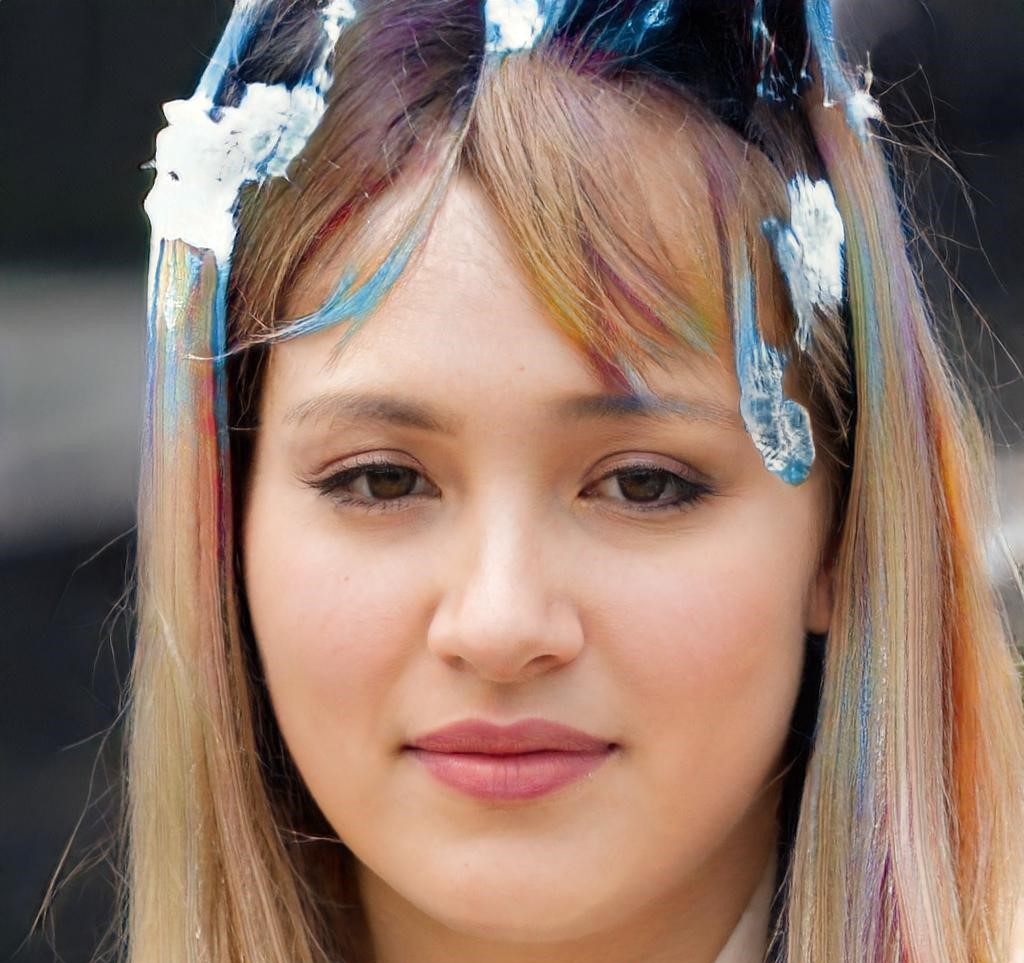
AI Generated Persona
6 / 7
AI Persona Alt
7 / 7
AI Logo

Expand for details

This project was an experiment to test the capabilities of Generative AI in full-stack web development and branding.

  • Code Generation: HTML, JS, and CSS were generated using ChatGPT 3.5 prompts.
  • Asset Generation: Product imagery and logos were created using Bing AI and LogoAI.
  • Persona Generation: "Fake" profiles were generated using neural network tools (thispersondoesnotexist.com).

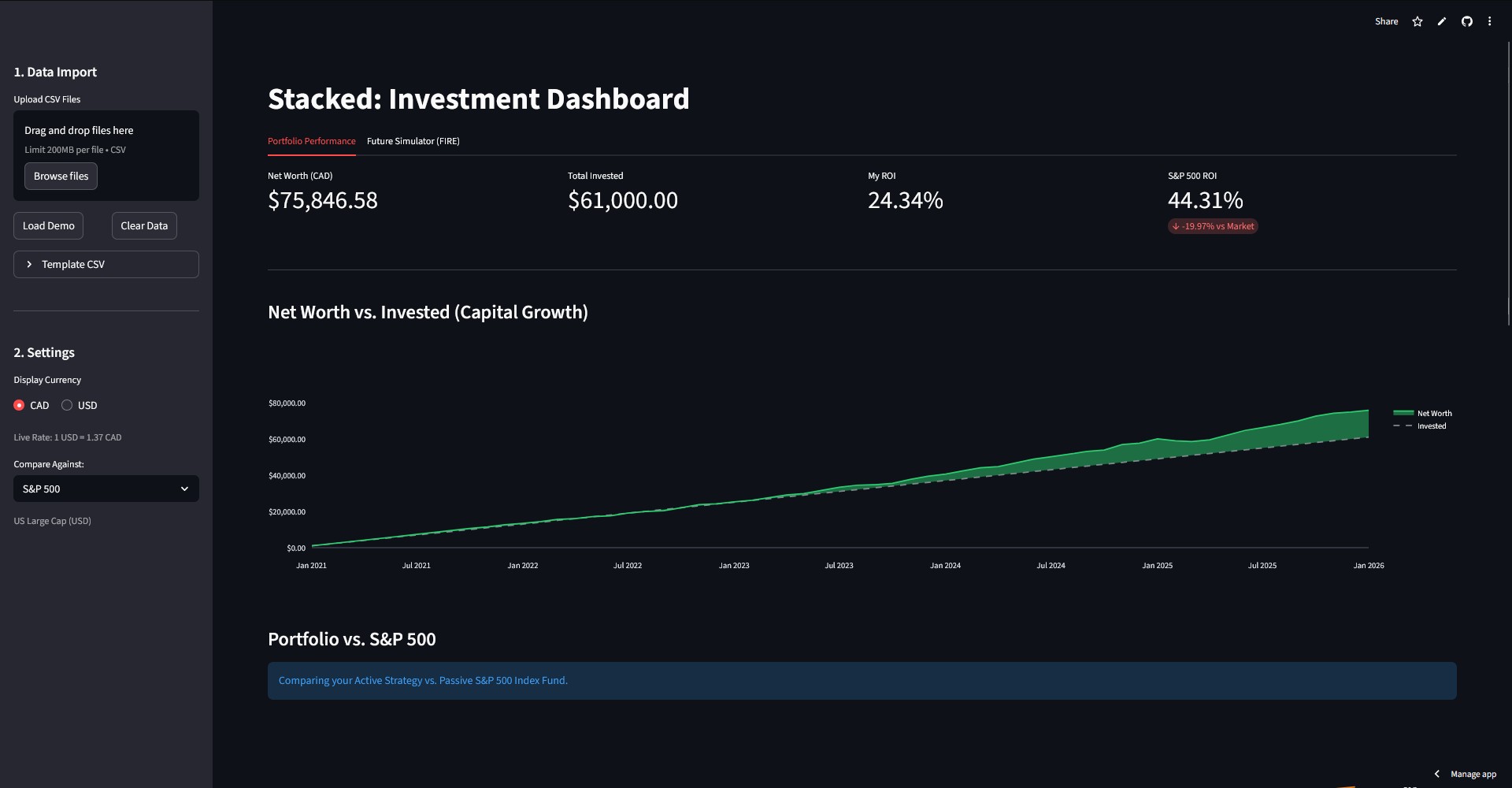
Stacked

Web Application | Streamlit & Python

Stacked App Interface
1 / 3
App Interface
Composition & Returns Analysis
2 / 3
Composition & Returns Analysis
Monte Carlo Wealth Projection
3 / 3
Monte Carlo Wealth Projection Feature

Expand for details

I wanted to apply an engineering mindset to personal finance. Most investment calculators just assume a flat return rate (e.g., 7% every year), which ignores the reality of market risk.

Monte Carlo Simulation: I built a Python engine to brute-force 500 different market scenarios. By introducing a "Volatility" variable (standard deviation), the app generates a "cone of uncertainty"—showing not just the expected outcome, but the range of possibilities.

Performance Analysis: The tool visualizes the spread between the 10th percentile (bad market luck) and 90th percentile (good market luck). In the screenshot example, it shows how a portfolio could drift by over $1M due to volatility alone, helping users plan for safety rather than just best-case scenarios.

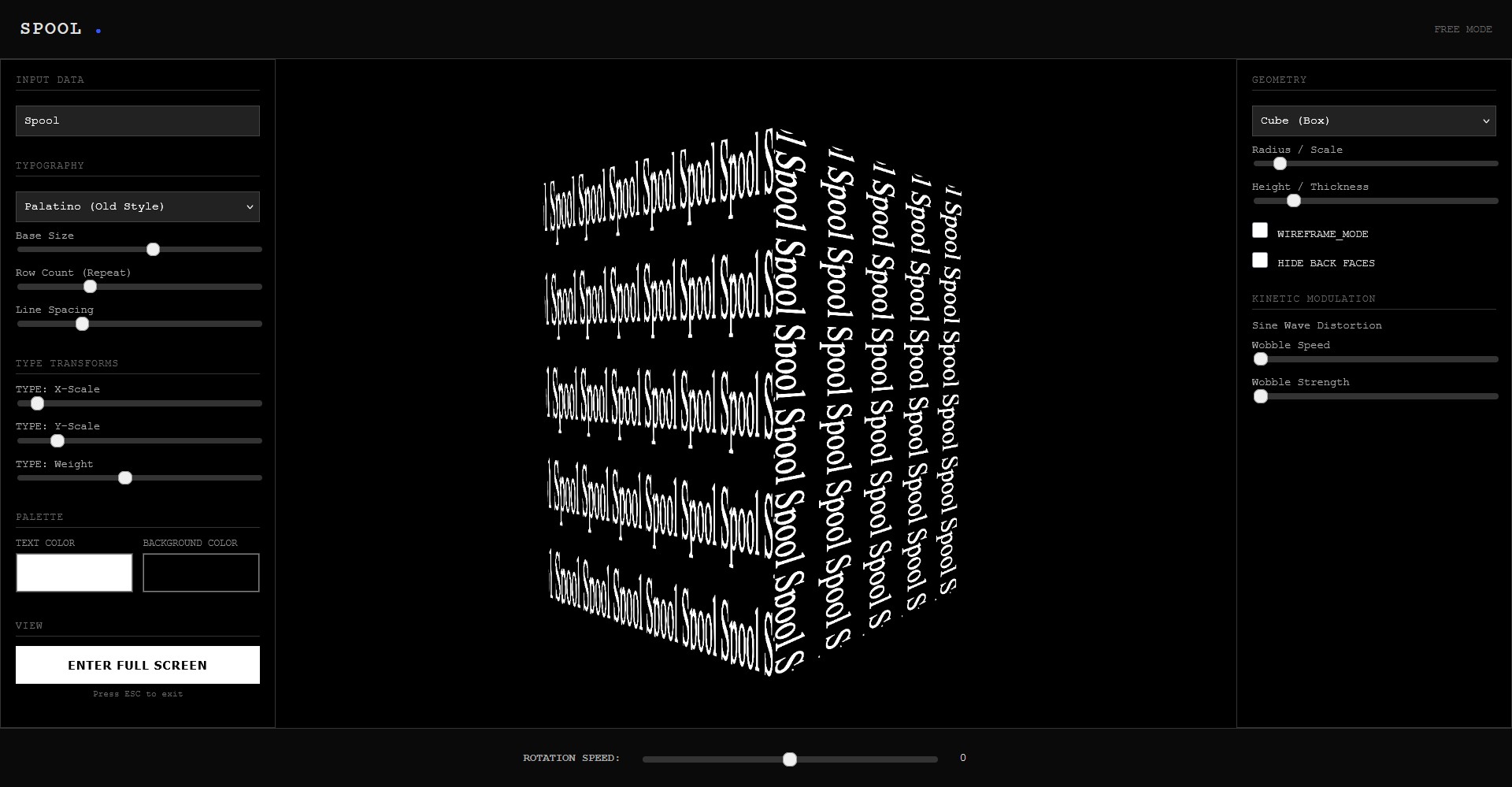
SPOOL.

Kinetic Typography Engine | WebGL & JavaScript

Spool Interface - Torus Mode
1 / 2
Kinetic Text Manipulation
2 / 2
Wireframe & Animation Demo

Expand for details

SPOOL. is an interactive web experiment that merges typography with 3D geometry. I wanted to build a tool that allows designers to break free from 2D constraints and treat text as a physical, malleable texture.

Tech Stack: Built using standard Web Technologies (HTML5/Canvas). The engine calculates vertex positions in real-time to wrap text strings around mathematical primitives like Tori, Spheres, and Cylinders.

Key Features: Users can manipulate "Kinetic Modulation" parameters—applying sine-wave distortions, wobble effects, and variable font weight transformations live in the browser.

Resume